Choosing Between Self-Service Bays and Automated Drive-Thru Tunnels
Keeping a vehicle clean is about much more than curb appeal; road grime, deicing salts, bird droppings, and industrial fallout actively degrade clear coat finishes and accelerate frame corrosion over time. When deciding how to wash your daily driver, you generally face two distinct paths: pulling into a manual wash stall to do the labor yourself or driving onto a conveyor track for an automated wash. Each format serves a different set of priorities regarding cost, time investment, and physical contact with vehicle paint.
A manual bay gives you complete authority over water pressure, chemicals, and where the cleaning energy gets directed, making it ideal for muddy trucks or sensitive collector vehicles. Conversely, automated drive-through facilities prioritize rapid turnaround, allowing drivers to refresh their vehicle in under five minutes without stepping outside into unpredictable weather. Understanding the mechanics behind high-pressure nozzles, automated gantry arms, and friction materials makes it much easier to select the right facility for your specific driving conditions.
Your vehicle's current condition also influences which option makes practical sense on any given day. A light dusting of pollen calls for a quick touchless rinse, whereas weeks of baked-on highway residue or winter slush often demand mechanical agitation from a soft-cloth tunnel or careful manual scrubbing in a spray bay. Evaluating your budget, finish sensitivity, and schedule helps turn routine maintenance into a stress-free habit.
How Coin-Operated and Manual Spray Bays Operate
A traditional manual wash bay gives motorists direct access to professional-grade plumbing, high-pressure delivery wands, and specialized chemical metering systems. Inside the bay, an overhead boom swivels three hundred and sixty degrees, keeping the heavy rubber hose suspended above your roof so it never drags across delicate clear coat. The central control rotary switch lets you select between functions like tire cleaner, pre-soak foam, high-pressure rinse, foaming brush, and protective wax.
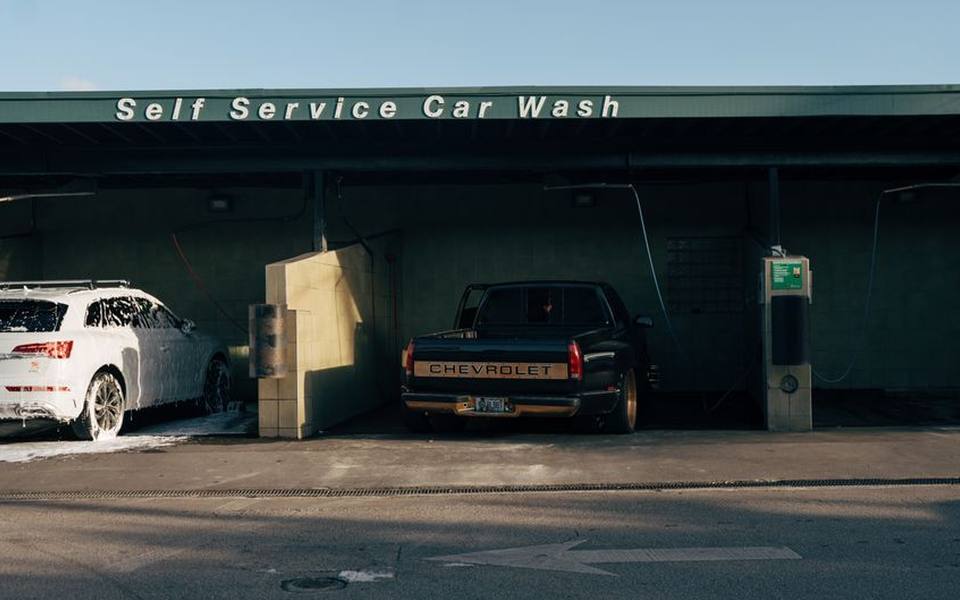
While drivers historically relied on quarters to feed the mechanical timers, modern self-serve wash bays typically accept credit cards, debit cards, and mobile payments alongside standard dollar coins. The baseline rate usually buys a set window of run time, often around three to four minutes, with warning beeps alerting you when it is time to feed another coin or tap your card again. Because billing stops as soon as the timer expires, an organized approach to cycling through chemical cycles saves money.
Pressure levels at the nozzle tip typically hover between one thousand and fifteen hundred pounds per square inch, providing substantial mechanical force to break free caked mud without stripping trim pieces. However, holding the wand tip closer than eight to ten inches from rubber seals, peeling clear coat, or plastic emblems can cause unintentional damage. Keeping the spray nozzle at a consistent forty-five-degree angle pushes debris outward and down toward the floor drain rather than driving grit deeper into seams.
Preventing Swirl Marks When Using Manual Foam Brushes
The hog-hair foam brush found in manual bays is both loved for its heavy sudsing capability and dreaded for its potential to inflict fine scratches. While the natural bristles themselves are soft enough for clear coat, the brush head frequently harbors microscopic grit left behind by the previous customer who cleaned off-road mud or brake dust. Brushing that trapped sand directly onto your dry paint will produce noticeable spiderweb swirls under direct sunlight.
If you plan to use the communal foam brush, thorough preparation is non-negotiable. Always hold the brush head in front of the high-pressure rinse wand for thirty seconds before touching your vehicle, blasting away imbedded rocks and sandy sludge from between the bristles. Once clean, ensure the vehicle is already soaked with foaming lubricant so the bristles slide effortlessly across the panels rather than grinding dry grit across the hood and doors.
Many experienced vehicle owners prefer bringing their own clean wash mitt to the bay rather than using the site brush altogether. You can fill a bucket using the high-pressure wand on low rinse mode, load it with foam from the selector, and hand-wash panels with your dedicated microfiber tool. This hybrid technique delivers the safety of a two-bucket driveway hand wash while taking advantage of the commercial bay's oil-separating drainage and hot-water pressure delivery.
The Mechanics of Soft-Cloth Automated Tunnels
Modern conveyorized wash tunnels have evolved considerably from the harsh plastic-bristle scrubbers common decades ago. Today's commercial tunnels rely on closed-cell foam strips and soft micro-velour textiles suspended from overhead rotating drums and oscillating side mitters. Because closed-cell foam does not absorb water or trap loose dirt within its structure, the material delivers constant, gentle friction against vehicle surfaces without holding abrasive grit from the vehicle ahead of you.
As your tires engage the steel guide rail, an automated roller pushes the car along the tunnel at a continuous pace, timing every rinse arch and detergent curtain to perfection. Opting for an automatic drive-through wash means your car passes through multiple stages: undercarriage neutralizing sprays, low-pH acid rinses to remove mineral film, high-pH alkaline soaps for oily grease, and dense curtain passes that loosen road film before a final spot-free rinse.
The primary benefit of friction tunnels is thoroughness on stubborn organic deposits. Bug splatter, road tar, and heavy film bond tightly to exterior panels and rarely dissolve through chemical soaking alone; they require physical contact to lift off completely. While purists worry about light micro-marring on delicate black finishes, high-volume soft-cloth tunnels that maintain generous water flow and clean their hanging textile curtains provide a remarkably reliable clean for general commuting vehicles.
Touchless Laser Cleaning Systems and High-Pressure Arches
For drivers determined to eliminate any physical contact with their paint, frictionless laser car washes offer an effective alternative. These automated setups use ultrasonic or optical sensors to trace the exact dimensions of your vehicle as you pull into the bay. Once parked, an automated robotic gantry moves around the vehicle contour, positioning oscillating high-pressure water jets exactly where they can deliver maximum cleaning velocity without ever touching the metal.
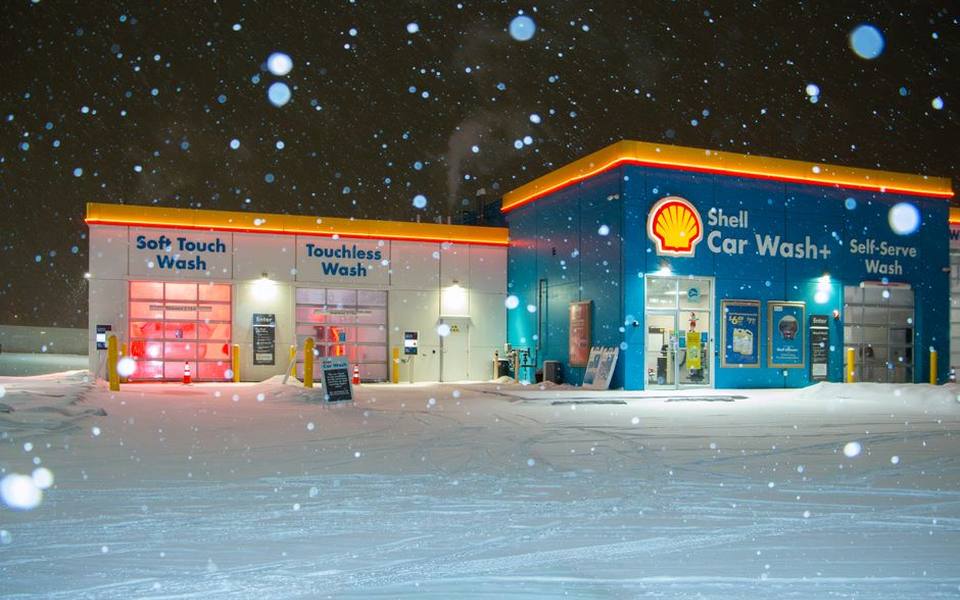
Because a touchless wash eliminates mechanical brushes, it relies on advanced chemical engineering to dissolve the traffic film holding dirt to the body panels. The system applies a two-step chemical application, alternating between low-pH and high-pH detergents that loosen static bonds on a molecular level before blasting the loosened dirt away with water pressurized up to twelve hundred pounds per square inch. This makes it an exceptionally safe option for ceramic-coated vehicles, custom wraps, and delicate aftermarket finishes.
The trade-off with touchless systems lies in their cleaning ceiling. While excellent at removing surface dust, loose mud, and corrosive winter salt, frictionless wash cycles can leave behind a very faint film of fine road soot, often called electrostatic grime, on flat vertical surfaces. If your vehicle has gone months without a wash, a touchless bay might not leave it showroom-spotless, but for routine weekly upkeep between deep details, it remains the safest way to avoid swirls.
Understanding Add-On Cycles: Waxes, Sealants, and Undercarriage Sprays
Whether using a bay selector dial or selecting a wash tier at an automated touchscreen terminal, you will encounter numerous upsells and chemical add-ons. The most universally beneficial add-on is the high-pressure undercarriage flush. As you enter the bay, high-volume spray nozzles embedded in the floor sweep the vehicle's bottom, flushing salt, mud, and road debris away from brake lines, suspension links, and unibody cavities where rust commonly takes root.
Surface sealants offered at the end of the wash cycle generally fall into two categories: carnuba-based liquid waxes and synthetic ceramic sprays. Automated spray sealants act as chemical drying agents, breaking the surface tension of water so large drops bead up and fly off under the high-velocity air dryers. While they do not provide the six-month durability of a hand-applied paste wax, these flash sealants provide genuine short-term UV protection and make subsequent washes noticeably easier.
Tri-color foaming conditioner is another common feature, often tinted yellow, pink, and blue for visual showmanship. Beyond the aesthetic appeal, these foaming mixtures contain concentrated lubricity agents and mild surfactants designed to neutralize harsh soaps from earlier stages, preparing the clear coat to accept drying aids and spray waxes. While skipping them will not harm your car, adding them usually yields a slightly glossier post-dry sheen.
Cost Structures: Coin Drops Versus Monthly Subscriptions
Calculating the real financial cost of car care depends heavily on how often you wash your vehicle and how you value your personal time. In a self-service coin-operated bay, a complete wash typically costs between five and ten dollars depending on how quickly you move through cycles. For drivers who wash their vehicle once every month or two, paying on an as-needed basis in a manual stall remains the most budget-conscious path available.
Automated drive-through single washes generally range from eight dollars for a basic rinse to over twenty dollars for premium packages with tire dressing, rust inhibitors, and ceramic topcoats. For frequent washers, commercial operators have shifted heavily toward subscription models. Enrolling in unlimited membership plans usually costs between twenty and forty dollars per month, allowing drivers to pass through the tunnel daily or weekly using an RFID window tag.
If you routinely wash your car more than twice in a four-week period, a monthly subscription often pays for itself rapidly while keeping road grime from building up. On the other hand, if your driving habits involve unpredictable road trips or extended garage parking, sticking to pay-per-visit touchless or self-serve bays prevents you from paying for unused subscription cycles during low-mileage months.
Pre-Wash Preparations to Prevent Vehicle Damage
A few seconds of preparation before driving into an automated tunnel or self-service stall can prevent costly cosmetic damage. Automated conveyor tracks require vehicles to roll in neutral with the engine running, meaning all collision avoidance systems, rain-sensing automatic wipers, and parking brake auto-hold features must be turned off. A spinning brush catching a moving windshield wiper arm can easily twist the mechanism or crack the windshield glass.
Physical vehicle clearances must also be checked prior to entry. Drivers should tuck in power-folding mirrors, retract or unscrew tall radio whip antennas, and double-check that trailer hitch covers and roof rack accessories are securely fastened. If you drive a pickup truck, ensure the truck bed is completely cleared of loose trash, sand, leaves, or tools; powerful tunnel air blowers can launch loose debris into surrounding machinery or the car behind you.
In a manual self-serve bay, preparation involves situational awareness rather than turning off safety systems. Position your car squarely in the center of the bay floor so the overhead hose boom can rotate fully around front and rear bumpers without snagging on tailgates or side mirrors. Take off loose rings or belt buckles that might rub against the doors while you maneuver the spray wand around tight corners.
Drying Techniques and Eliminating Water Spots
The cleaning process is only half the battle; how you dry your vehicle directly influences whether you drive away with a pristine finish or an array of stubborn water spots. Tap water contains dissolved minerals such as calcium, magnesium, and sodium. If droplets evaporate naturally on hot paint under sunlight, those minerals stay behind, etching into clear coats and requiring machine polishing to remove.
Commercial automated tunnels combat this using high-horsepower blower arches paired with spot-free water filtration systems, often relying on reverse osmosis. In self-serve bays, you should always conclude your routine with the spot-free rinse selector. Unlike standard municipal rinse water, spot-free water has been stripped of minerals via deionization tanks, meaning residual droplets can air-dry cleanly without leaving white chalky halos.
For the cleanest possible outcome, keeping two large, high-pile microfiber drying towels in your trunk is a wise investment. After passing through the tunnel blowers or finishing your spot-free bay rinse, pull into the staging lot and gently pat down door jambs, trunk sills, and mirror housings where trapped water inevitably drips out. Catching these remaining droplets before merging onto dusty roads keeps streaks from marring freshly washed paint.
Post-Wash Interior Staging and Courtesy Vacuums
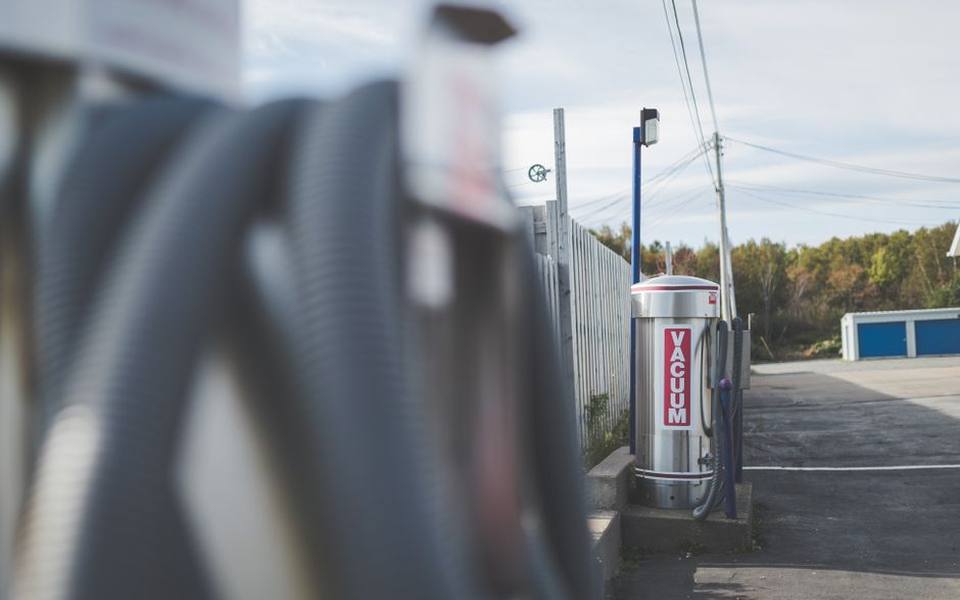
A thorough wash is rarely complete without giving equal attention to interior cabin cleanliness. Modern drive-thru facilities frequently provide customer access to free vacuum stations included in the cost of your exterior wash ticket or monthly subscription pass. These staging areas feature dual-hose high-suction central vacuum drops, rubber mat washing racks, and compressed-air blowout nozzles designed to clear crumbs from cupholders.
To maximize your time at the vacuum bays, work systematically from top to bottom. Pull all rubber or carpet floor mats out of the vehicle first, resting them against the cleaning rack. Run the vacuum nozzle across seats, inside seat seams, and along the central console before moving downward to the main cabin carpets. Clearing large debris by hand beforehand prevents hose clogs and ensures you can finish vacuuming both front and rear footwells efficiently.
Finally, take a minute to wipe down steering wheels, touchscreens, and vinyl dashboards with a dedicated interior detailer and clean microfiber cloth. Pairing exterior washes with consistent cabin tidying prevents pet hair, dirt, and coffee stains from becoming permanently embedded in upholstery fabrics. By integrating both interior maintenance and careful exterior wash techniques, you preserve vehicle value while enjoying a clean, fresh driving environment.
Published 2026-09-21 · reviewed with each rebuild, last October 2026.
Find car washes near you
The directory lists 29,234 car washes by state and city — pick your state or use the “Near me” button in the header.
More guides
-
 Money
MoneyCar Detailing Cost Guide: Average Prices and Packages
-
 Service
How to Remove Window Tint and Car Wraps: DIY Methods and Costs
-
 Service
Headlight Restoration Guide: Cleaning Methods and Repair Costs
-
 Buying
Choosing the Best Detailing Vacuums, Steamers, and Washers
-
 Service
How to Buff and Polish Car Paint: DIY Exterior Detailing Guide
-
 Owning
Best Car Detailing Products: Waxes, Sealants, and Clay Bars
-
 Service
Interior Car Detailing: How to Clean Seats, Carpets, and Remove Odors
-
 Service
Car Scratch Removal Guide: DIY Fixes versus Body Shop Costs
-
 Service
Professional Auto Detailing: Interior Deep Cleaning and Mobile Wash Guide
-
 Service
Vehicle Air Filter Replacement: Cabin vs Engine Air Filters
-
 Service
Car Scratch Repair, Paint Correction, and Buffing Techniques
-
 Owning
Complete Car Interior Detailing Guide: Carpet, Leather, and Dashboard Cleaning
-
 Service
Automotive Glass Cleaning, Water Spot Removal, and Windshield Repair
-
 Service
Automotive Ceramic Coatings and Paint Sealants: Costs, Products, and Application
-
 Service
Headlight Restoration and Cleaning: Toothpaste Hacks, Polish, and UV Sealants