Starting with a thorough dry sweep and prep
A successful interior detail always begins by removing dry debris before introducing any liquid cleaners. If you spray cleaning solution directly onto dry dust, sand, and pet hair, you essentially create mud that grinds deeper into carpet fibers and cloth seat cushions. Start by taking out all floor mats, clearing out trash from door pockets, and using a high-powered vacuum to clean every surface from the dashboard down to the floorboards.
Many drivers stop by local car washes with free vacuums to take advantage of high-suction industrial vacuums and narrow crevice attachments before doing hands-on work at home. Use a stiff nylon brush on the floorboards to agitate carpet fibers, bringing buried gravel and crushed dirt to the surface where the vacuum can reach them. Work in tight grid patterns across each footwell to ensure nothing remains trapped under the seat tracks.
Take extra care around air vents, cup holders, and console buttons by dusting them with a soft detailing brush. Blown compressed air can also help dislodge crumbs hidden between the center console and the seat bolsters. Getting the cabin completely dry-purged sets the foundation for your wet cleaning steps and prevents accidental staining later.
Washing carpets and shampooing fabric seats
Fabric seats and floor carpets endure the brunt of daily wear, accumulating coffee dribbles, road salt, and sweat over time. When learning how to shampoo car seats, the golden rule is to use as little moisture as possible. Soaking the fabric allows dirty water to penetrate deep into the underlying foam padding, which can cause unpleasant mildew odors if it fails to dry quickly. Work section by section with dedicated upholstery shampoo or a mild fabric cleaner diluted with warm water.
Lightly mist the fabric surface and agitate it gently using an upholstery brush in overlapping circular motions. Instead of rinsing with heavy water, press clean microfiber towels firmly into the fabric to blot up the emulsified soil, or draw it out using a wet-dry vacuum equipped with an extraction nozzle. If you decide to rent a commercial carpet extractor, the carpet shampoo cost typically amounts to a modest rental fee plus cleaning solution, though professional interior car detailing shops often provide deeper extraction with heated equipment.
For rubber or heavy-duty all-weather floor mats, remove them completely from the vehicle and scrub them outdoors with an all-purpose cleaner and a stiff brush. Drivers without a dedicated driveway space frequently visit self-service car washes to wash their removable floor mats using pressure rinse wands, allowing them to dry thoroughly in the sun before reinstalling them into the cabin.
Treating natural leather, white upholstery, and suede
Leather requires a balanced touch because harsh degreasers and alkaline detergents strip away the protective clear topcoat applied to modern automotive hides. To clean standard or perforated leather, spray a pH-neutral cleaner onto a soft horsehair brush or folded microfiber cloth rather than directly onto the seat surface. Work the cleaner into a light lather across one panel at a time, then wipe it dry immediately with a clean, damp towel to lift away body oils and grime.
Knowing how to clean white leather interior panels involves addressing dye transfer from blue jeans and dark jackets before it permanently discolors the hide. White surfaces highlight grime quickly, so gentle lathering with specialized mild cleaners and soft foam applicator pads works far better than aggressive scrubbing, which can scratch the pigmented top layer. After cleaning, apply a water-based leather conditioner containing ultraviolet inhibitors to keep the material supple and prevent drying or cracking.
Synthetic micro-suede and Alcantara inserts require an entirely different approach because they are non-woven polyester fabrics rather than animal hide. Avoid all heavy conditioners, silicones, and oily balms on suede, as these products mat the delicate nap. Lightly mist a suede-safe cleaner onto a dry microfiber towel and gently wipe along the grain without heavy downward pressure to avoid pilling the delicate fibers.
Handling delicate headliners and stained seat belts
The vehicle headliner is among the most fragile components in your cabin, consisting of a thin layer of decorative fabric adhered to a backing board with heat-sensitive glue. Never saturate a headliner with water or scrub it vigorously with stiff bristles, as liquid dissolves the adhesive and causes the fabric to sag permanently. To remove smoke film or light smudges, spray a gentle foaming upholstery cleaner onto a microfiber cloth and dab the spot delicately.
Seat belts also require a careful cleaning routine because oily buildup from hands and skin can cause them to retract slowly and look dull over time. Pull the entire belt out of the retractor housing and secure it near the anchor with a plastic spring clamp so it cannot reel back in while damp. Fill a bucket with warm water and a few drops of mild laundry detergent, which safely breaks down grease without weakening the structural integrity of the polyester webbing.
Wipe the length of the belt using a soft microfiber towel soaked in the soapy solution, then rinse it down with a towel dampened with plain water. Keep the belt clamped and pulled out until it dries completely. Allowing a damp seat belt to reel into the retractor housing invites mold and foul odors inside the pillar trim where airflow is nonexistent.
Neutralizing stubborn odors and sour milk spills
Masking odors with scented vent clips or air freshener sprays only hides the problem temporarily while the underlying bacterial source continues to rot. Spilled dairy is particularly notorious because the fat and protein seep deep into floor underlayment, turning rancid as bacteria flourish. To eliminate a sour milk odor, you must treat the spill with an enzyme-based bio-cleaner designed to digest organic matter at a microscopic level.
Saturate the affected spot with the enzymatic solution so it penetrates as deep as the milk traveled, then cover the damp area with a clean towel for several hours to let the enzymes actively work. After dwelling, blot up the remaining liquid and extract it thoroughly with a wet-dry vacuum. For stubborn smoke or pet smells lingering in the air-duct system, run the vehicle ventilation on recirculate while deploying an odor-neutralizing mist or an ozone generator in a controlled setting.
Remember that ozone machines produce strong oxidizing gases that can degrade rubber seals and interior plastics if run excessively. Most vehicles only need short treatment cycles followed by thorough airing out with open doors. Always check the cabin air filter behind the glove compartment, as a dirty filter often harbors dust, pollen, and trapped smells that cycle through the vents repeatedly.
Addressing mold problems and recognizing when to call a pro
Finding fuzzy mold or smelling persistent mildew in your vehicle indicates an active moisture leak, such as a clogged sunroof drain, a failed door weatherstrip, or saturated carpeting from an open window. Treating localized surface mold requires spraying an approved antimicrobial disinfectant that kills spores without bleaching the fabric. Always wear a protective respirator and gloves when disturbing mold to avoid inhaling airborne spores.
If moisture has seeped beneath the carpet into the sound-deadening jute padding, surface wiping will not resolve the issue. Jute acts like a dense sponge, and once colonized by mold, it typically needs to be stripped out, discarded, or commercially dried with industrial air movers. When faced with widespread contamination, seeking out professional car detailing services is the safest route for your health and your vehicle's interior components.
Professional car detailing mold removal cost generally depends on the severity of the infestation, the size of the vehicle, and whether the seats and carpets must be removed from the floor pan. In most states, full mold remediation typically ranges from several hundred dollars to over a thousand dollars when deep ozone treatments and total carpet extraction are required to restore safe air quality inside the cabin.
Published 2026-09-20 · reviewed with each rebuild, last September 2026.
Find car washes near you
The directory lists 26,115 car washes by state and city — pick your state or use the “Near me” button in the header.
More guides
-
 Money
MoneyCar Detailing Cost Guide: Average Prices and Packages
-
 Service
How to Remove Window Tint and Car Wraps: DIY Methods and Costs
-
 Service
Headlight Restoration Guide: Cleaning Methods and Repair Costs
-
 Buying
Choosing the Best Detailing Vacuums, Steamers, and Washers
-
 Service
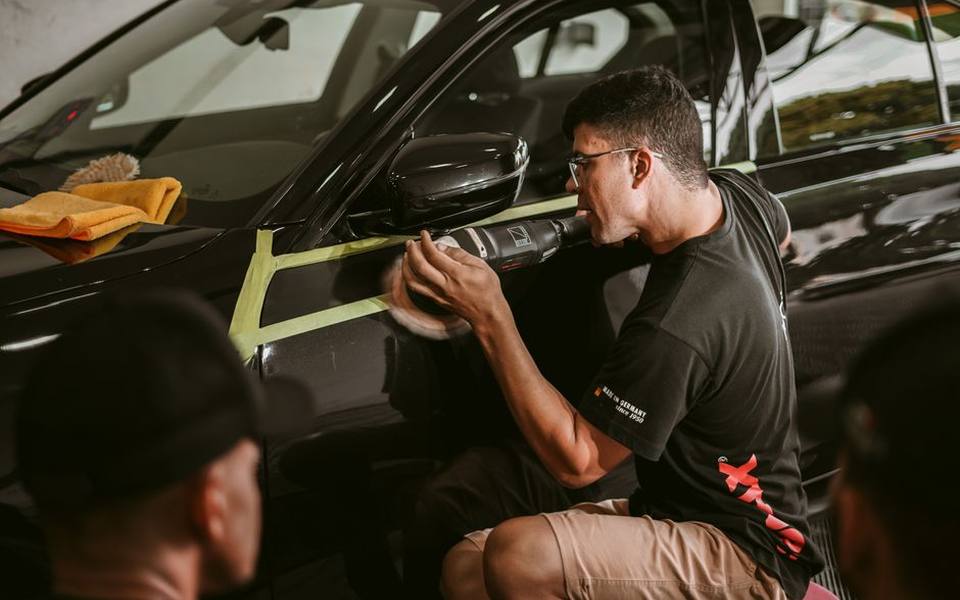
How to Buff and Polish Car Paint: DIY Exterior Detailing Guide
-
 Owning
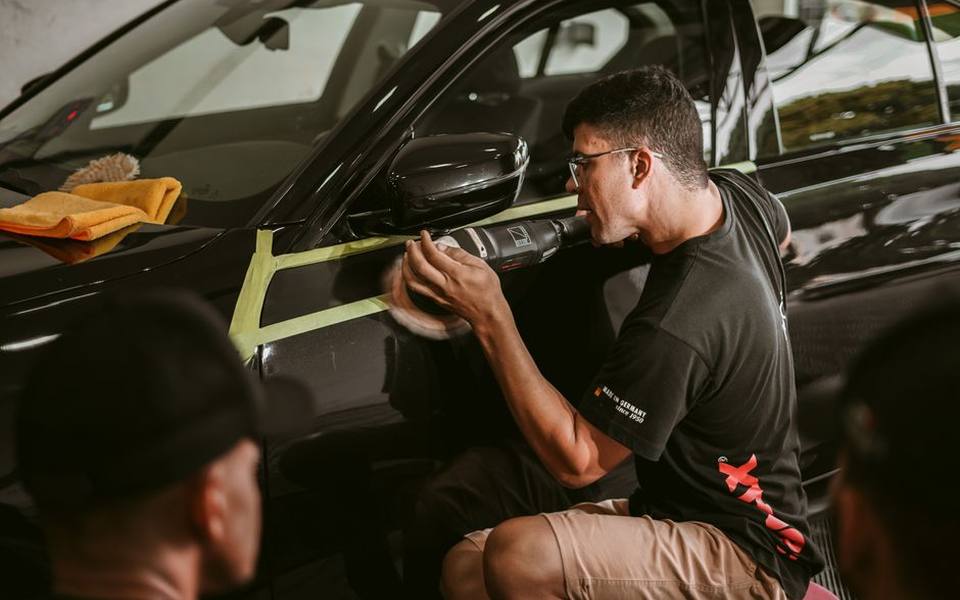
Best Car Detailing Products: Waxes, Sealants, and Clay Bars
-
 Service
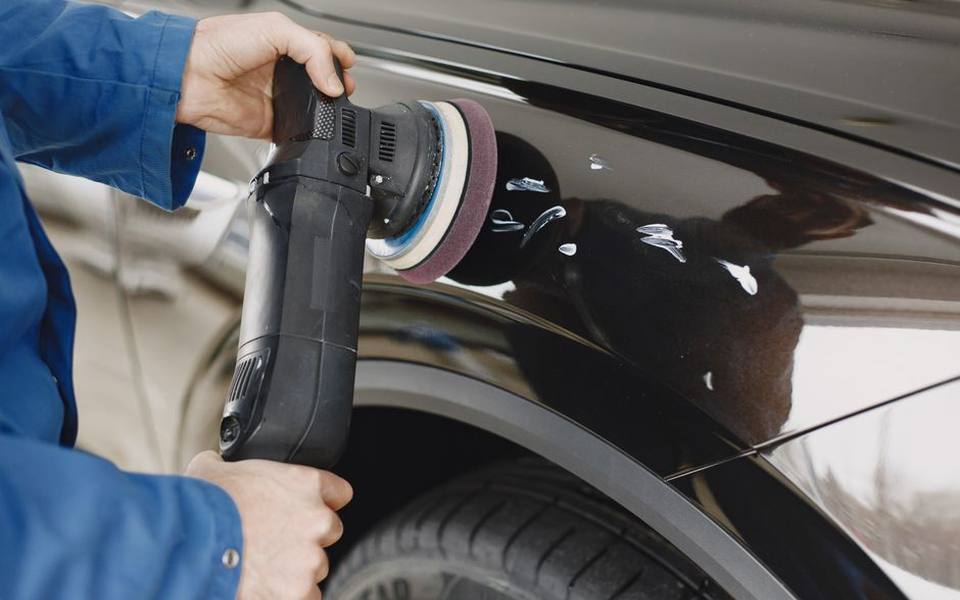
Car Scratch Removal Guide: DIY Fixes versus Body Shop Costs