Picking a Vacuum Designed for Tight Automotive Cabins
The best car detailing vacuum is rarely the largest unit on the store shelf. While massive shop drums hold plenty of debris, their bulky hoses and wide nozzles make maneuvering around seat rails, pedal boxes, and under-seat ducting frustrating. For interior vehicle care, the critical specification is sealed suction—often measured in inches of water lift—rather than raw peak horsepower ratings advertised on retail boxes. High static lift allows a compact motor to pull embedded pebbles and damp sand out of dense carpet weave without needing a massive tank.
A dedicated detailing vacuum needs a flexible, crush-proof hose with a narrow diameter, typically around one and a quarter inches. This size preserves velocity and fits into crevices where standard two-and-a-half-inch shop hoses bind up. Look for wet-dry capability, as vehicle floors often accumulate winter slush, melted drinks, and carpet shampoo residue that ruin dry-only household motors. A sturdy utility cart or wall-mount bracket keeps the canister off delicate door sills, preventing accidental scuffs while working around open car doors.
If garage storage space or budget limits your ability to keep a dedicated heavy-duty vacuum at home, commercial car care centers offer a convenient alternative. Many motorists handle basic maintenance washes at home and then visit local express sites with free vacuum stations that supply commercial-grade suction, overhead booms, and specialized claw nozzles without any equipment upkeep.
Steam Cleaners for Sanitizing and Dissolving Grime
A quality automotive steamer uses high-temperature, low-moisture vapor to sanitize upholstery, loosen sticky cup-holder residue, and purge air vents without soaking interior padding. In vehicle interiors, excessive water is the enemy, as soaked seat foam takes days to dry and can encourage mildew behind door cards. Look for a unit that produces dry steam with an operating pressure typically between 50 and 65 PSI. This provides enough force to blow gunk out of dashboard seams while leaving the surface only slightly damp to the touch.

Boiler construction determines how long you can work uninterrupted. Entry-level units rely on sealed boiler caps that require the machine to cool down completely before you can refill the water chamber, which slows down weekend projects. Continuous-fill machines feature a secondary reservoir that lets you add distilled water on the fly. Brass attachments, triangular upholstery brushes, and dedicated jet nozzles are necessary accessories for working through sticky steering wheel textures and door jamb hinges.
While a home steamer handles light soil and routine surface cleaning, deeply neglected interiors with heavy biological stains or set-in odors often demand commercial extraction tools. In those situations, scheduling a session for interior car detailing provides access to heated chemical extractors and commercial ozone generators that completely neutralize stubborn contaminants.
Dialing in the Right Pressure Washer Specifications
Automotive paint requires a very different pressure washer setup than concrete driveways or cedar fences. Homeowners often make the mistake of buying high-pressure gas washers rated above 3,000 PSI, which risk stripping clear coat, cutting rubber weatherstripping, or forcing water past electrical seals. For car care, water volume—measured in gallons per minute, or GPM—is far more important than raw force. A flow rate typically around 1.5 to 2.0 GPM combined with a moderate 1,000 to 1,400 PSI provides ample rinsing volume to flush away grit safely.
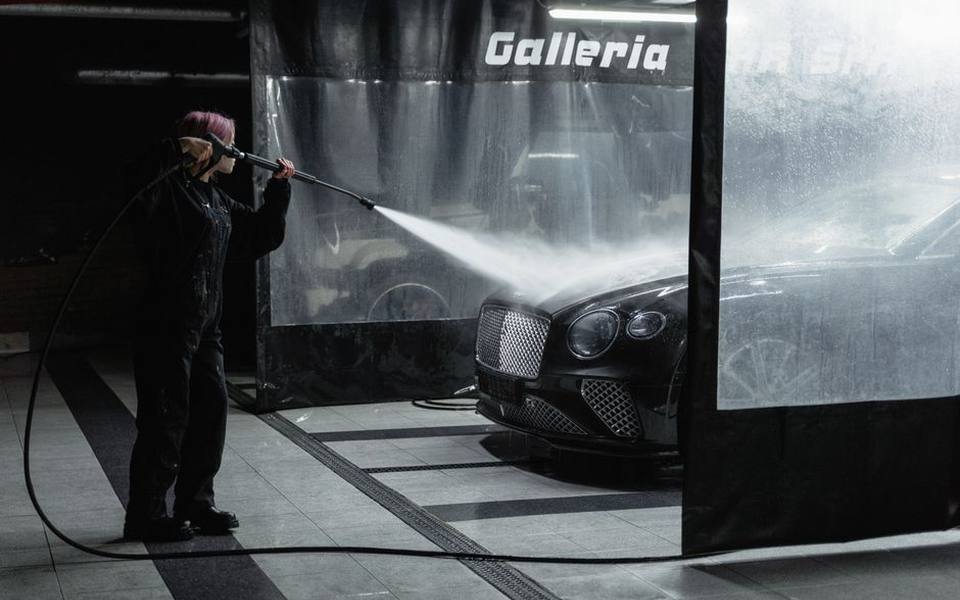
Compact electric pressure washers are generally the preferred choice for detailing bays and residential driveways. They run quietly, produce no exhaust fumes in partially enclosed garages, and shut off automatically when the trigger is released. Upgrading the stock, rigid spray wand to a short snub-nose gun gives you significantly better control when rinsing wheel wells and roof gutters. Pair the gun with quick-connect forty-degree nozzles and an aftermarket foam cannon to lay down a thick layer of lubricated wash foam before touching the paint.
Setting up a dedicated pressure washer at home requires suitable drainage, water line pressure, and space to work cleanly. When seasonal temperatures drop or local water regulations restrict driveway runoff, visiting commercial self-serve wash bays provides the same high-volume sprayers and pre-soak options alongside professional oil-water separators that protect the local storm drain network.
Detailing Brushes: Matching Bristles to Delicate Surfaces
Using the wrong brush on soft automotive trim can create micro-scratches that are tedious to polish out later. A proper detailing kit requires at least two distinct brush categories: ultra-soft natural or split synthetic fibers for delicate finishes, and stiffer chemical-resistant bristles for running gear. Natural boar's hair brushes retain soapy water well and provide gentle agitation for painted emblems, window moldings, and piano-black interior plastics that scratch under the slightest friction.
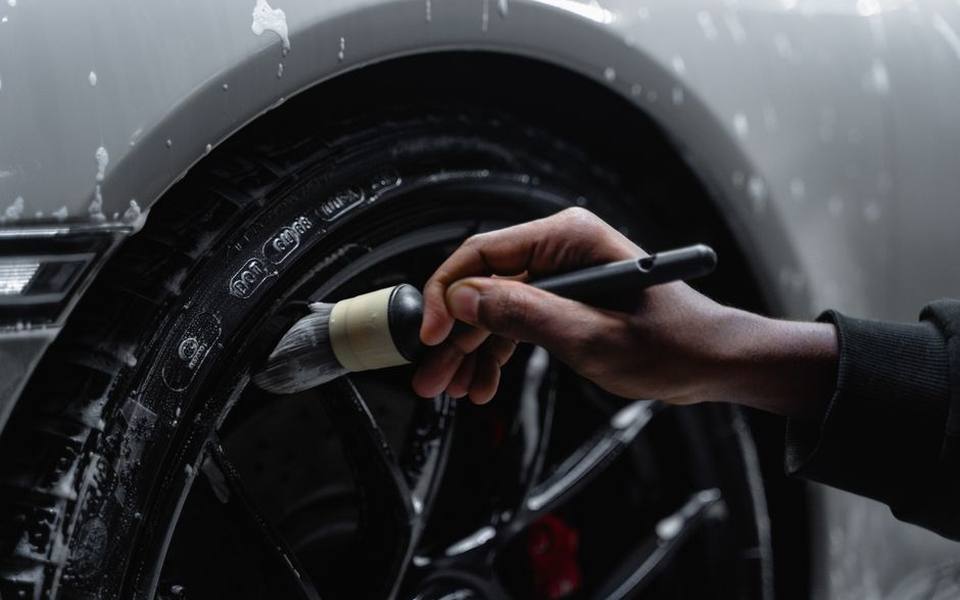
For textured vinyl dashboards, console seams, and leather seats, synthetic flagged bristles offer balanced cleaning power without fraying. Avoid using wire or stiff household scrub brushes on leather, as they easily abrade topcoat protective dyes. Wheel cleaning calls for long, flexible barrel brushes made from soft synthetic microfiber or chemical-resistant nylon that can reach past brake calipers to clean inner rim barrels without gouging clear-coated alloy surfaces.
Proper brush care is just as essential as the bristle choice. Always rinse brushes thoroughly in clean water between sections to purge trapped sand particles, and never store them standing face-down on their bristles, which causes permanent bending. Dedicate separate sets for interior dust and greasy exterior components to prevent transferring brake dust or road tar onto your upholstery.
Balancing Home Equipment Costs Against Professional Care
Assembling a complete home detailing collection—including an electric pressure washer, heavy-duty vacuum, dry steam generator, hoses, and premium brushes—typically represents an investment of several hundred dollars or more, alongside ongoing storage needs. For car enthusiasts who enjoy the process of weekend maintenance, owning these tools offers convenience and long-term savings over repeated single-service visits.
However, home setups come with trade-offs. Storing long hoses, managing power cords, handling wastewater runoff, and dedicating four to six hours every few weeks can become burdensome for busy drivers. In many cases, maintaining a basic wash routine at home while relying periodically on full-service auto detailing for yearly paint correction and deep fabric extraction yields optimal vehicle condition without turning your garage into a full-scale workshop.
Before purchasing specialized machines, evaluate your vehicle's true needs, your available garage storage, and the quality of local facilities. High-end equipment only delivers superior results if you have the time, patience, and proper technique to operate it safely without damaging your car's finishes.
Published 2026-09-20 · reviewed with each rebuild, last September 2026.
Find car washes near you
The directory lists 26,115 car washes by state and city — pick your state or use the “Near me” button in the header.
More guides
-
 Money
MoneyCar Detailing Cost Guide: Average Prices and Packages
-
 Service
How to Remove Window Tint and Car Wraps: DIY Methods and Costs
-
 Service
Headlight Restoration Guide: Cleaning Methods and Repair Costs
-
 Service
How to Buff and Polish Car Paint: DIY Exterior Detailing Guide
-
 Owning
Best Car Detailing Products: Waxes, Sealants, and Clay Bars
-
 Service
Interior Car Detailing: How to Clean Seats, Carpets, and Remove Odors
-
 Service
Car Scratch Removal Guide: DIY Fixes versus Body Shop Costs