The real role of waxes, sealants, and decontamination
Choosing between automotive waxes, synthetic polymer sealants, and modern ceramic spray coatings comes down to balancing aesthetic warmth against long-term durability. Clear coat serves as your vehicle's first defense against harsh sunlight, acid rain, road grime, and industrial fallout, but it requires sacrificial protection to avoid premature oxidation. Without regular protection, everyday environmental contaminants bond directly into microscopic pores in the paint finish.
Before applying any protective layer, paint must be chemically clean and free of embedded debris. Washing away loose dirt is only the starting point. Visiting local self-service car washes allows you to rinse heavy road film using pressurized water before undertaking more delicate paint correction and sealing steps at home.
Understanding how each product category behaves helps avoid wasted effort. Clay bars remove physical fallout that washing cannot budge, traditional waxes deliver a warm reflective shine, synthetic sealants offer months of reliable chemical shielding, and ceramic spray coatings provide extreme water repelling behavior with minimal application effort.
Decontaminating clear coat with clay bars
Even after a thorough wash, automotive paint often feels rough to the touch because brake dust, rail dust, tree sap, and road tar become embedded deep within the clear coat. A clay bar treatment mechanically pulls these bonded particles out of the surface rather than dragging them across the panels, leaving the finish as smooth as clean glass.
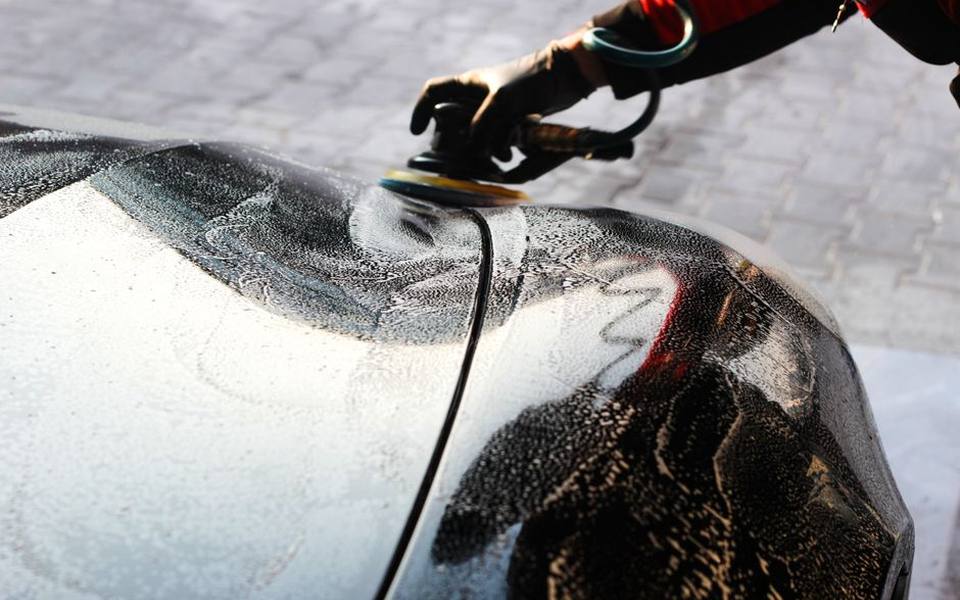
You can easily test whether your vehicle needs claying by placing your hand inside a thin plastic sandwich bag and lightly sliding your fingertips over a freshly washed hood. If the panel feels gritty or textured through the plastic, embedded particles are present and must be extracted before applying any wax or sealant.
Always use a generous amount of dedicated detailing spray or slick car shampoo dilution as a lubricant during claying. Working in small overlapping sections prevents dry clay from marring the paint. Synthetic clay mitts and rubberized clay pads have become popular alternatives to traditional clay bars because they rinse clean easily if dropped and typically last through multiple vehicles.
Traditional carnauba paste and liquid waxes
Natural carnauba wax, derived from the leaves of Brazilian palm trees, remains the benchmark for enthusiast car care when it comes to visual depth and rich warmth. It excels on dark, metallic, and red paints by subtly filling faint swirl marks and producing a wet, glossy reflection that synthetic chemistry struggles to match.
The primary drawback of pure carnauba is its sensitivity to ambient temperature and environmental exposure. In hot climates or under relentless summer sun, carnauba typically begins to break down after four to eight weeks, depending on whether the vehicle is garaged or parked outdoors beneath trees and utility lines.
Applying paste wax requires patience, light pressure, and thin, uniform coats applied panel by panel out of direct sunlight. Allowing the product to haze slightly before buffing with a plush, borderless microfiber towel produces the best optical clarity without leaving behind stubborn streaks or chalky residue on rubber trim.
Synthetic polymer sealants for extended endurance
Synthetic paint sealants are engineered from complex polymer chains that form a cross-linked protective barrier over clear coat. Unlike natural wax, which sits on the surface, synthetic formulas mechanically bond with the paint to resist alkaline detergents, winter road brine, bird droppings, and intense ultraviolet radiation.
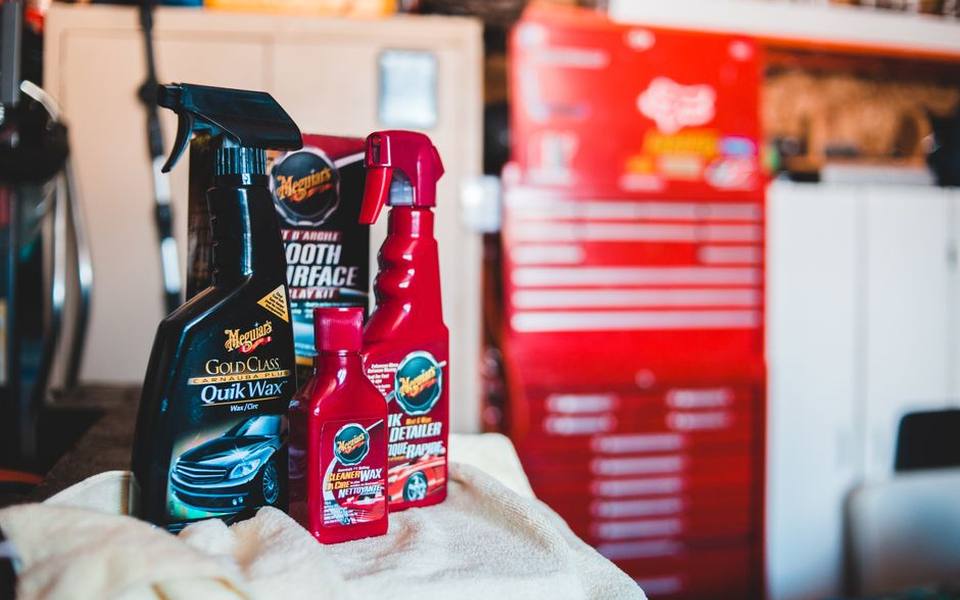
Durability is the standout benefit of polymer sealants, with a single proper application typically lasting anywhere from four to six months depending on weather exposure and washing methods. While the gloss profile appears more reflective and mirror-like rather than deep and warm, the maintenance interval is far more forgiving for daily drivers.
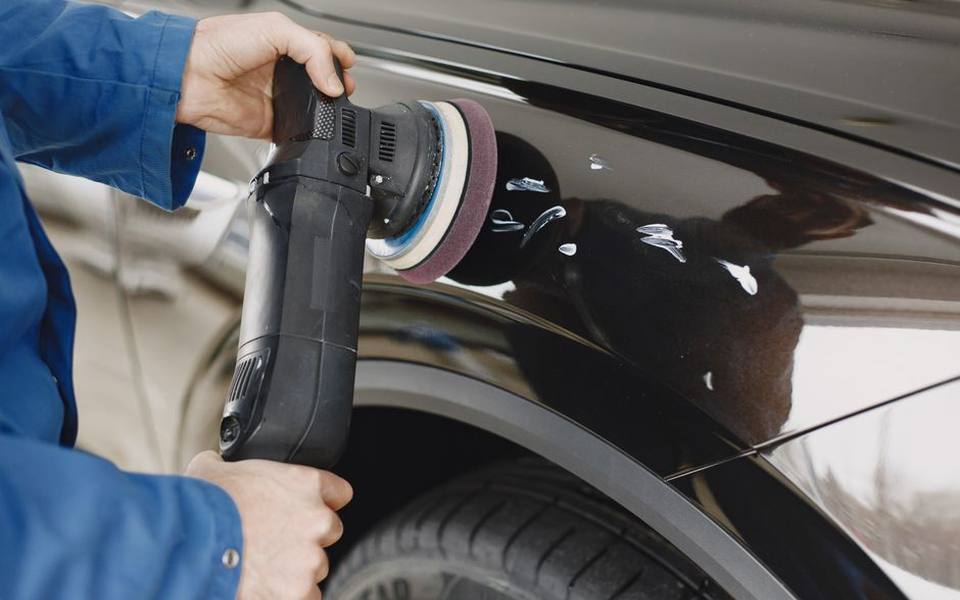
For owners who prefer not to spend an entire weekend polishing, claying, and sealing their own vehicle, scheduling an appointment for professional auto and car detailing ensures that high-grade synthetic sealants or multi-stage paint corrections are handled with specialized orbital buffers.
Ceramic spray coatings and hybrid formulas
Ceramic spray coatings infused with silicon dioxide (SiO2) have transformed modern exterior car care by bridging the gap between simple spray waxes and expensive professional glass coatings. These sprayable formulas offer remarkable hydrophobic behavior, causing water to bead tightly and roll off flat panels while carrying away loose dust.
Application is considerably simpler than working with traditional paste waxes. After washing and decontaminating the panel, you mist the ceramic spray lightly onto a microfiber towel, spread it across one body panel at a time, and immediately wipe clear with a secondary dry towel to avoid high spots or oily smudges.
To preserve the hydrophobic properties of ceramic spray layers, avoid high-friction tunnel brushes that scour protective coatings off vehicle paint. Many car owners prefer using modern touchless car washes for routine maintenance rinses between dedicated home wash sessions.
Structuring a sensible exterior maintenance routine
Building a reliable detailing regimen does not require dozens of complicated chemicals or dozens of hours every weekend. Most passenger cars thrive on a seasonal rhythm: a full clay bar decontamination and sealant application once in early spring and once in late autumn before winter driving conditions set in.
Between major seasonal details, using a ceramic spray or quick detailer as a drying aid during your regular two-bucket washes replenishes the slickness of the base protective coat without requiring extensive labor. This sacrificial top coat takes the brunt of road grime while keeping underlying clear coat intact.
Remember that maintaining the vehicle exterior is only half the battle when it comes to protecting resale value and cabin comfort. Dedicating time to deep interior car detailing protects leather, vinyl, and carpet fibers against sun fading and ground-in dirt just as effectively as sealants protect exterior paint.
Published 2026-09-20 · reviewed with each rebuild, last September 2026.
Find car washes near you
The directory lists 26,115 car washes by state and city — pick your state or use the “Near me” button in the header.
More guides
-
 Money
MoneyCar Detailing Cost Guide: Average Prices and Packages
-
 Service
How to Remove Window Tint and Car Wraps: DIY Methods and Costs
-
 Service
Headlight Restoration Guide: Cleaning Methods and Repair Costs
-
 Buying
Choosing the Best Detailing Vacuums, Steamers, and Washers
-
 Service
How to Buff and Polish Car Paint: DIY Exterior Detailing Guide
-
 Service
Interior Car Detailing: How to Clean Seats, Carpets, and Remove Odors
-
 Service
Car Scratch Removal Guide: DIY Fixes versus Body Shop Costs