What Professional Auto Detailing Truly Entails
Professional auto detailing goes far beyond the surface rinse you receive at a conventional drive-through. While an automated wash cleans loose dust and road grime off exterior panels, detailing restores a vehicle to near-showroom condition through meticulous manual labor. Technicians use specialized tools, high-grade cleaners, and methodical processes designed to preserve delicate automotive materials over the long term.
A proper detail evaluates every square inch of the vehicle, addressing distinct zones that standard cleaning completely ignores. This includes rubber weatherstripping, exhaust tips, door jambs, engine bays, and intricate air vent louvers. In many shops, technicians tailor their approach based on paint hardness, upholstery fabric, and previous wear patterns to avoid causing unintentional surface harm.
Whether you book comprehensive care through a shop or order an individual cabin package, understanding what is involved helps you set realistic expectations. Many drivers choose full-service auto detailing once or twice a year to preserve resale value, remove deep-seated stains, and protect paint against oxidation, road salt, and harsh summer sun.
The Anatomy of an Interior Deep Clean
A thorough interior overhaul begins with a complete assessment of high-touch contact zones and hidden corners where dust settles. Detailers start by removing floor mats to expose the carpet fibers underneath, followed by high-pressure compressed air to blow trapped sand, crumbs, and debris out from beneath power seat rails and tight center console crevices.

Technicians systematically scrub the steering wheel, switchgear, cup holders, and infotainment surrounds with soft-bristled boar-hair brushes and balanced interior cleaners. These delicate tools agitate dirt out of pebbled grain vinyl and leather seams without scratching gloss plastics. Modern dashboards often feature sensitive digital touchscreens that require gentle microfiber towels and alcohol-free solutions to prevent damage to anti-glare coatings.
Door sills, seat belts, and trunk compartments receive equal focus during an intensive cabin rejuvenation. Door jambs often collect grease, road silt, and leaves that degrade door seals if left unaddressed. Washing these shut areas prevents grime from transferring onto clothing when passengers enter and exit the automobile.
Steam Cleaning and Hot Water Extraction Methods
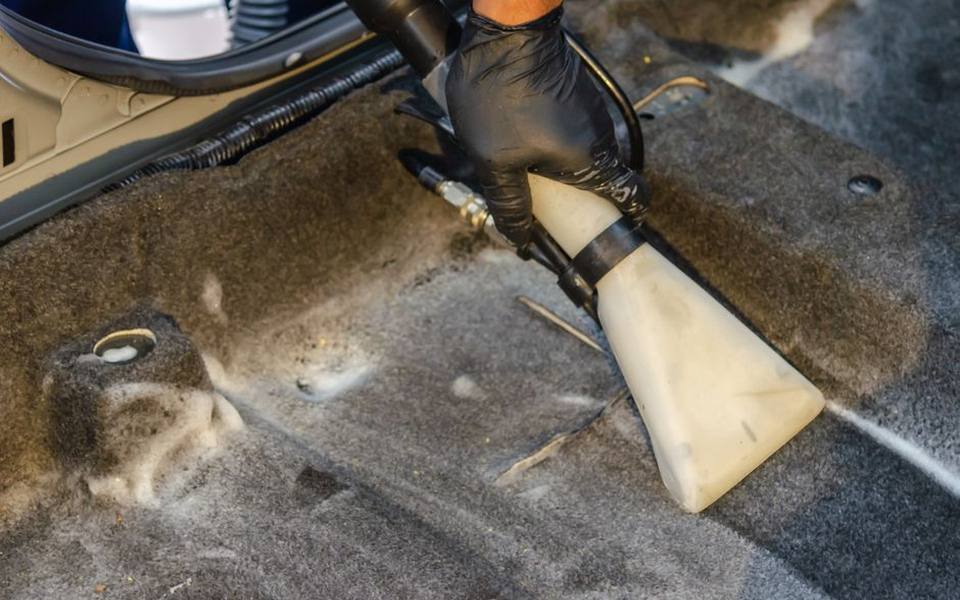
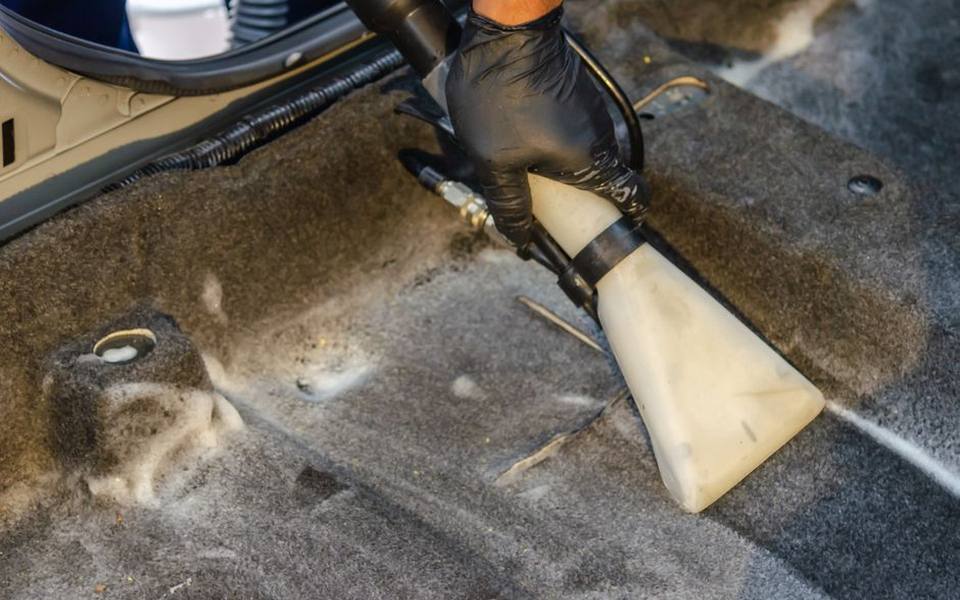
For embedded spills, ground-in mud, and foul odors, standard vacuuming rarely provides a complete solution. Professional detailers rely on commercial hot water extractors that spray heated cleaning solution deep into carpet piles and upholstered seats before immediately vacuuming the moisture back out with immense suction. This process flushes out decaying organic particles that cause musty smells.
Dry commercial steam machines represent another essential tool for sanitizing an automobile interior. Steam reaches temperatures high enough to kill bacteria, neutralize mold spores, and loosen stubborn grease clinging to plastic panels without soaking the cabin in standing moisture. It is particularly effective around heater vents, where damp conditions can cultivate lingering mildew odors.
Choosing specialized interior car detailing means your seats and carpets dry quickly without risking mildew growth underneath the underlayment. Professional shops use high-velocity air movers inside the vehicle while working, ensuring carpets and cushions are completely moisture-free before you drive away.
Tackling Pet Hair, Food Spills, and Persistent Odors
Pet hair presents a unique challenge because barbed fur weaves itself into the weave of automotive carpets and cloth seat fabrics. Standard vacuum nozzles glide over these woven fibers without dislodging them. Detailers use specialized rubber squeegees, pumice stones, or specialized fur-removal blades alongside air agitation to physically strip embedded hair away from upholstery threads.
Liquid spills like sugary sodas, milk, and coffee can soak through seat padding if not addressed promptly. When left alone, dairy products curdle and generate foul odors that intensify under summer heat. Professional cleaning breaks down these proteins using enzymatic treatments that digest the organic compounds rather than merely masking them with heavy artificial perfumes.
Eliminating tobacco smoke or severe mildew usually requires an ozone generator or chlorine dioxide vapor treatment following physical scrubbing. These gaseous treatments circulate through the climate control ductwork, neutralizing volatile organic compounds trapped within the headliner, foam padding, and cabin air filter housing.
Mobile Detailing Versus Traditional Detail Shops
The primary advantage of mobile vehicle care is sheer convenience. Instead of dropping your car off at a commercial facility and arranging return transportation, a fully equipped mobile van travels directly to your home driveway or workplace parking lot. These custom rigs carry their own pressurized water tanks, quiet generators, extractors, and lighting setups.
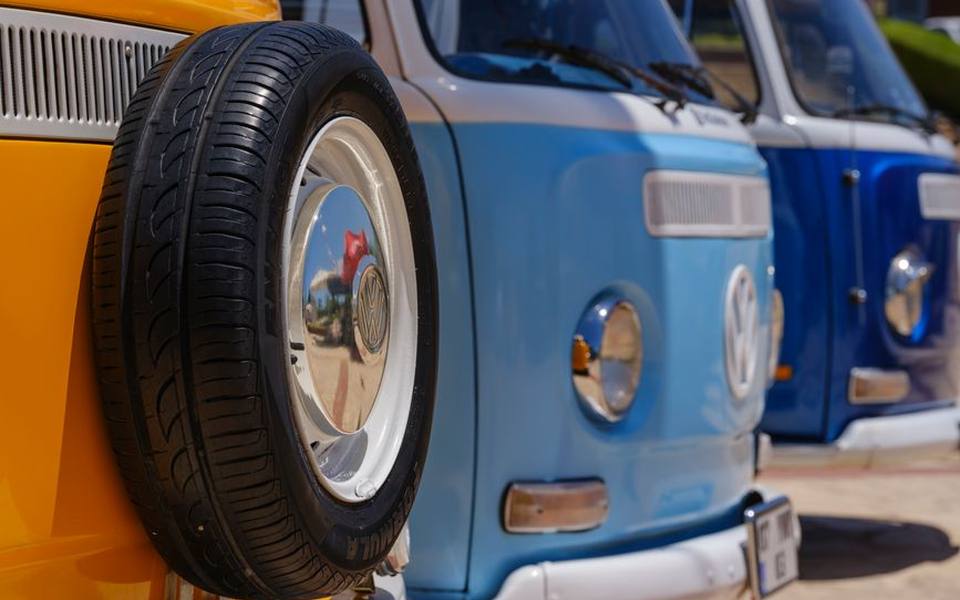
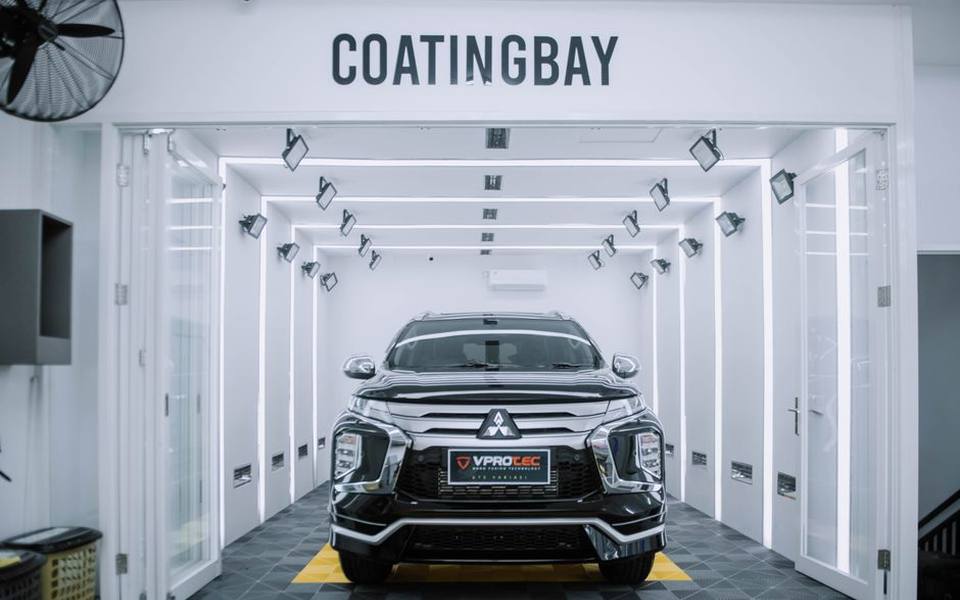
However, dedicated fixed-location detailing shops maintain certain practical advantages for complex restorative work. A controlled indoor bay provides continuous shade, climate control, and bright multi-angle lighting, which are essential for spot-checking paint corrections and curing ceramic coatings. Extreme weather, such as freezing temperatures or intense midday sun, can make outdoor mobile detailing challenging.
When choosing between the two formats, consider your schedule, vehicle location, and the specific services required. If you primarily need a cabin reset, leather conditioning, and exterior wash while working from home, mobile technicians offer unmatched ease. If your vehicle needs extensive paint polishing and multi-stage coatings, a climate-controlled shop bay often yields superior results.
Exterior Wash Steps in a Full Detail Package
While inside sanitization improves your daily driving comfort, exterior detailing protects paint, glass, and alloy wheels from environmental decay. Detailers begin with wheels and wheel wells, using non-acidic cleaners to dissolve corrosive brake dust before touching the body panels. This prevents abrasive metallic brake dust particles from cross-contaminating soft clear-coat finishes.
A careful hand wash follows, utilizing dedicated wash mitts and multiple rinse buckets equipped with dirt traps to prevent swirl marks. Technicians then apply a chemical iron remover and a synthetic clay bar across the clear coat. This claying step lifts embedded tree sap, rail dust, and industrial fallout, leaving the paint feeling glass-smooth to the touch.
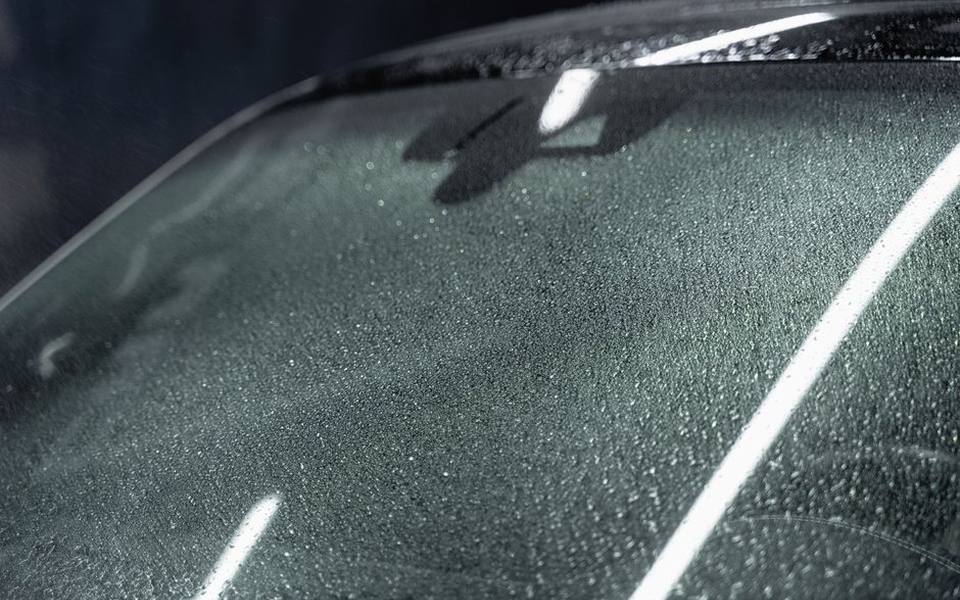
Once clean and decontaminated, exterior surfaces receive a durable layer of protection. Depending on the chosen tier, technicians apply a polymer sealant, carnauba wax, or ceramic coating. This sacrificial barrier sheds road film, repels rainwater, and prevents bird droppings and insect acids from etching into the finish.
What You Can Expect to Pay for Detailing Services
Detailing prices are rarely one-size-fits-all because labor requirements depend on vehicle condition, vehicle dimensions, and local market labor rates. A basic express package for a compact sedan typically costs considerably less than an exhaustive multi-day restoration on a full-size three-row sport utility vehicle or work truck.
Interior-only deep cleans generally fall into a moderate price bracket, though severe contamination such as heavy pet hair, mold remediation, or biological spills will increase the overall invoice due to additional labor hours. Mobile operators may charge an extra travel fee depending on distance and local fuel prices, though many build routine travel into standard local service boundaries.
Exterior paint correction, ceramic coatings, and leather restoration sit at the higher end of the pricing spectrum due to the expensive chemicals and specialized labor involved. Always request a clear breakdown of included steps before booking so you understand whether tasks like engine bay degreasing, shampooing, or headliner cleaning are included or considered add-ons.
Preparing Your Vehicle Before the Specialist Arrives
Taking ten minutes to prepare your automobile before an appointment ensures the detailer can spend their time cleaning rather than sorting personal belongings. Remove all loose items from the glovebox, center console, door pockets, and trunk floor. Take out child safety seats so the technician can clean the crumb-filled crevices underneath.
If your vehicle has preexisting mechanical quirks or cosmetic flaws, point them out beforehand. Mention loose trim pieces, broken console hinges, aftermarket electronics, or areas prone to water leaks. Transparent communication prevents accidental damage and allows the specialist to adjust tool pressures and chemical choices accordingly.
Ensure the detailer has adequate physical space to work around your automobile, especially if you booked a mobile unit visiting your driveway. Technicians need clearance to swing doors wide open and park their equipment trailer nearby. If your homeowner association restricts outdoor vehicle washing, you may need to coordinate an alternative workspace.
Maintaining That Deep-Cleaned Cabin Between Visits
Once your vehicle interior is pristine, small daily habits will preserve that clean feeling for months. Keep a small trash bag in the vehicle and discard bottles, wrappers, and receipts every time you stop for gas. Avoid eating messy or crumbly foods behind the wheel, as food debris quickly migrates beneath seat tracks.
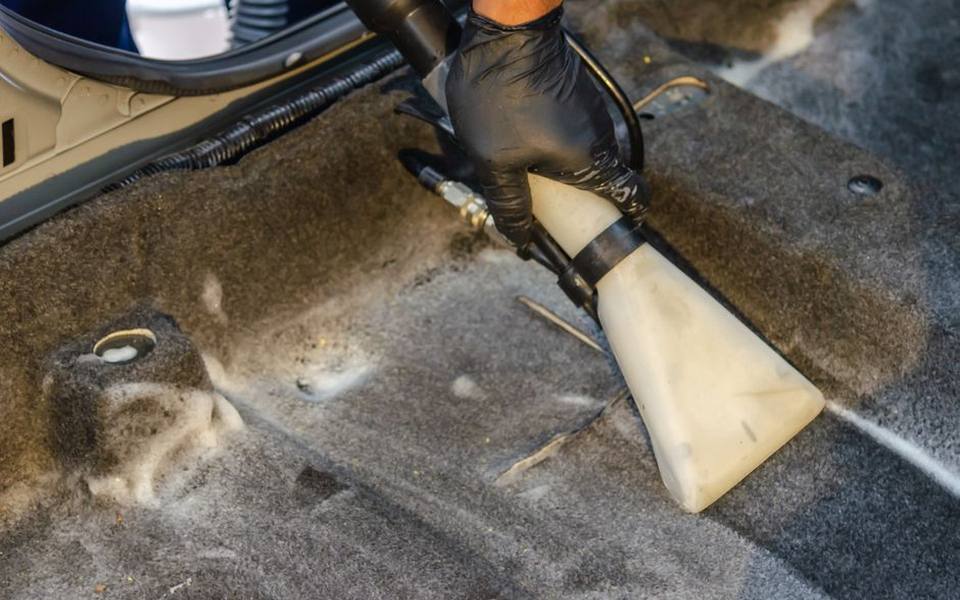
Routine touch-ups at local facilities keep dirt from accumulating between major detailing intervals. Visiting car washes with free vacuum stations once every week or two takes only a few minutes and prevents sand from grinding deep into carpet fibers. For exterior rinses between details, utilizing gentle touchless car washes preserves protective wax coatings without abrading the clear coat.
Keep a pack of interior detailing wipes or a clean microfiber cloth in the glove compartment to wipe away dust from screens and gauge clusters. Whenever shoes drag mud or salt slush onto floor mats, rinse the rubber liners promptly before moisture evaporates and leaves behind crusty mineral stains.
Finding Reliable Detailers in Your Area
Finding an experienced detailer requires looking past flashy social media clips and examining customer feedback regarding reliability, consistency, and professional insurance coverage. Reputable businesses carry garage-keepers liability insurance to protect your vehicle against unexpected accidents while in their custody.
Review client photos to evaluate the quality of their work across varied vehicle types. Pay close attention to macro photos showing spotless steering wheel seams, clean pedals, and lint-free vents, as these difficult areas demonstrate whether a technician takes genuine pride in their craftsmanship.
Consulting our comprehensive national car wash directory allows you to explore detailing shops, mobile wash providers, and specialized cleaning facilities across every state. Comparing local reviews and service menus helps you find an experienced professional suited to your vehicle's exact requirements.
Published 2026-09-21 · reviewed with each rebuild, last October 2026.
Find car washes near you
The directory lists 29,234 car washes by state and city — pick your state or use the “Near me” button in the header.
More guides
-
 Money
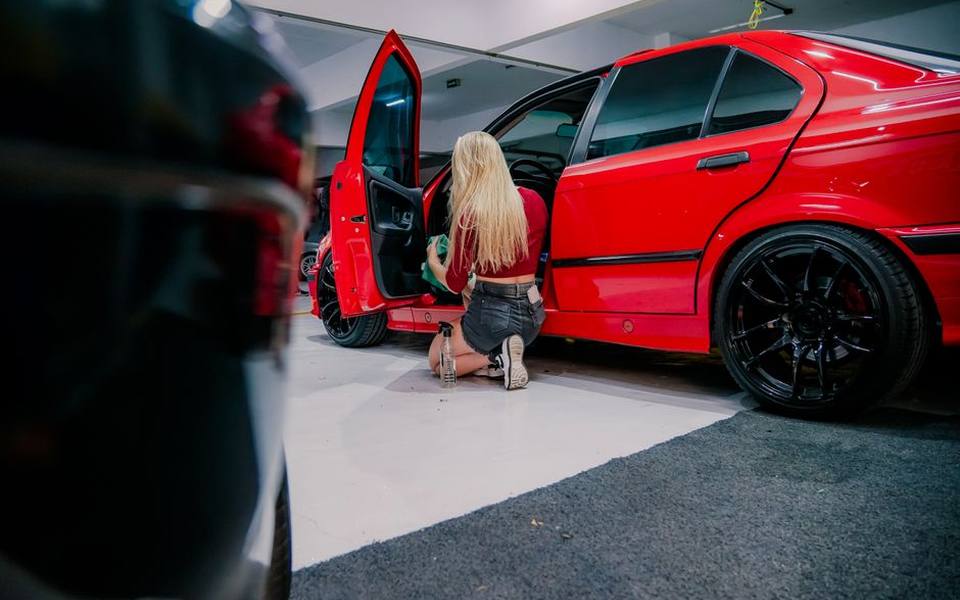
MoneyCar Detailing Cost Guide: Average Prices and Packages
-
 Service
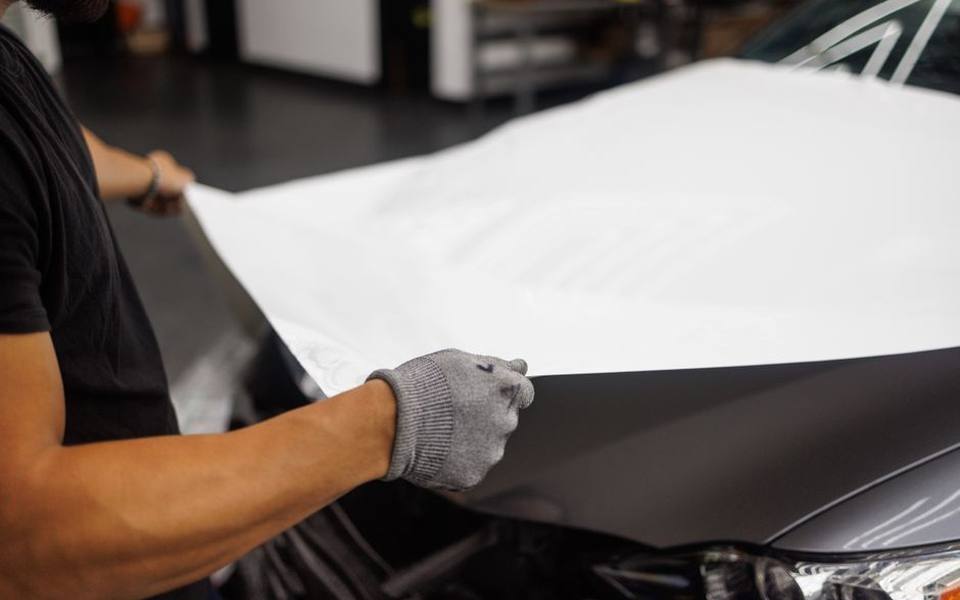
How to Remove Window Tint and Car Wraps: DIY Methods and Costs
-
 Service
Headlight Restoration Guide: Cleaning Methods and Repair Costs
-
 Buying
Choosing the Best Detailing Vacuums, Steamers, and Washers
-
 Service
How to Buff and Polish Car Paint: DIY Exterior Detailing Guide
-
 Owning
Best Car Detailing Products: Waxes, Sealants, and Clay Bars
-
 Service
Interior Car Detailing: How to Clean Seats, Carpets, and Remove Odors
-
 Service
Car Scratch Removal Guide: DIY Fixes versus Body Shop Costs
-
 Service
Complete Guide to Self-Serve and Automatic Drive-Thru Car Wash Services
-
 Service
Vehicle Air Filter Replacement: Cabin vs Engine Air Filters
-
 Service
Car Scratch Repair, Paint Correction, and Buffing Techniques
-
 Owning
Complete Car Interior Detailing Guide: Carpet, Leather, and Dashboard Cleaning
-
 Service
Automotive Glass Cleaning, Water Spot Removal, and Windshield Repair
-
 Service
Automotive Ceramic Coatings and Paint Sealants: Costs, Products, and Application
-
 Service
Headlight Restoration and Cleaning: Toothpaste Hacks, Polish, and UV Sealants