Understanding Modern Paint Protection Options
Applying a protective layer to your vehicle is the most reliable way to preserve its exterior against sun damage, tree sap, and road grime. For decades, car owners relied strictly on traditional carnauba paste, but modern automotive ceramic coating technology and synthetic polymer formulas have completely reshaped vehicle care. A true ceramic coat car treatment relies on liquid silicon dioxide that cures into a hardened barrier, whereas traditional sealants rely on synthetic polymer chains. Both methods aim to safeguard clear coat, yet they perform very differently when subjected to seasonal weather and weekly driving.
Clear coat finishes on modern passenger vehicles are thinner than many owners realize, often measuring no thicker than a post-it note. Ultraviolet radiation oxidizes this delicate resin layer over time, turning glossy pigment chalky and dull. In addition, environmental fallout such as industrial fallout, acidic bird droppings, and bug splatter can etch deep into untreated paintwork within hours under direct sunlight. Understanding the fundamental chemistry between standard synthetic options and advanced nano-coatings helps you decide which grade of protection aligns with your budget and ownership plans.
Choosing between an auto ceramic coating and a vehicle paint sealant usually comes down to durability, ease of installation, and how much time you want to spend maintaining the vehicle. Polymer sealers provide dependable short-term resistance and can be wiped on in a standard garage with minimal fuss. Nano-ceramic solutions require meticulous surface decontamination but yield hydrophobic properties that last years rather than months. Evaluating your garage setup, commuting habits, and washing routine makes selecting the ideal paint protection system straightforward.
How Liquid Sealants Differ from True Ceramic Layers
A synthetic vehicle paint sealant relies on engineered plastic polymers that adhere directly to the automotive clear coat through electrostatic tension and surface tension. When you apply a car paintwork sealant, these polymers cross-link as the carrier solvents evaporate, forming an invisible, flexible plastic shield across panels. This type of sealer auto paint product excels at repelling road moisture, minor acid rain, and airborne pollution for roughly four to six months before reapplication becomes necessary.
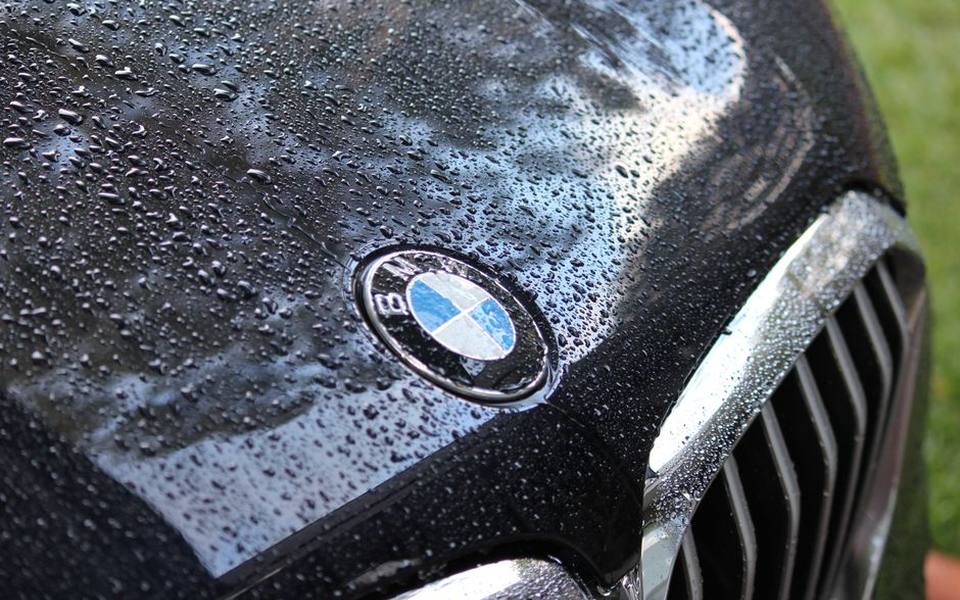
In contrast, true automotive paint sealer products built on ceramic chemistry utilize active inorganic compounds, primarily silicon dioxide and titanium dioxide. Rather than resting on top of the clear coat like an auto paint sealant, liquid ceramic molecules sink into the microscopic pores of your factory finish. Once cured, they bond semi-permanently with the substrate, forming an ultra-thin sacrificial glass layer. This structural bond produces far greater heat resistance, chemical tolerance, and longevity than polymer blends can offer.
While synthetic sealants remain popular due to their forgiving application and affordable pricing, they degrade quickly when exposed to alkaline degreasers or harsh winter salts. Ceramic surfaces maintain intense water-beading performance across a much wider pH range, typically resisting chemical attacks from strong detergents. If your vehicle faces salty winter highways or baking sun near coastal areas, the tighter chemical structure of a ceramic barrier offers far greater resilience against premature clear coat failure.
Spray-On Hybrids and Entry-Level Protectants
For car owners looking for an approachable introduction to nano-technology, hybrid spray products have become standard retail staples. Formulas such as Meguiar's hybrid ceramic wax blend traditional synthetic polymers with microscopic ceramic particles to deliver instant water beading with minimal effort. Using a meguiars ceramic wax formula typically involves spraying the solution onto a clean, wet vehicle during the wash routine, followed by a strong rinse that uses water pressure to distribute the protection evenly.
These hybrid spray sealers bridge the gap between traditional waxes and labor-intensive coatings by removing the difficult leveling process. You do not need professional lighting or extensive polishing experience to achieve an even shine across panels. Spray sealants leave behind slick surfaces that cause water to bead and sheet off quickly, carrying loose surface dirt along with it during rainstorms or touchless rinses. This ease of use makes them attractive for busy car owners wanting simple weekend maintenance.
The trade-off for this remarkable convenience is shortened longevity. A spray-based ceramic hybrid usually lasts between two and four months in moderate driving environments before hydrophobic action visibly slows down. Harsh winter climates and abrasive road grit degrade spray coatings faster than solid liquid glass barriers. However, because refreshing these products takes less than ten minutes after a wash, many owners find this routine practical for regular seasonal maintenance.
Dedicated Consumer Coating Kits for Garage Detailers
Stepping up from spray formulas leads to dedicated wipe-on liquid kits designed for experienced weekend enthusiasts. Products like Cerakote ceramic coating and similar enthusiast bottles contain higher concentrations of active solids suspended in specialized solvents. Rather than relying on simple spray-and-rinse triggers, these kits require applying precise drops onto micro-suede applicator blocks, spreading the liquid in overlapping crosshatch motions across individual body panels.
Working with true liquid coatings requires paying close attention to flash times, which is the brief period where the carrier solvent evaporates and the liquid turns into a rainbow-like sheen. Once flashing begins, you must level the surface using clean microfiber towels to prevent permanent streaks known as high spots. If a high spot is allowed to cure fully, it cannot simply be wiped away with soap; it typically must be machine-polished off the paint before reapplying fresh product.
Consumer kits usually promise between one and two years of real-world endurance when installed over properly prepped surfaces. They provide genuine scratch resistance against minor marring from light wash friction, alongside deep gloss and intense hydrophobicity. While the application process demands steady hands, good garage lighting, and stable humidity, dedicated DIY kits deliver results remarkably close to entry-level professional jobs at a fraction of the workshop price.
What Makes Professional Grade Installations Different
Professional shops handle high-solids ceramic formulations that are rarely sold directly to uncertified retail consumers. These shop-exclusive products contain specialized silazane bases and ultra-high concentrations of active ceramic particles that flash rapidly and cure into exceptionally dense films. Detailers undergo extensive manufacturer training to master temperature control, panel wiping, and multi-layer installations that deliver deep gloss and long-term durability.
Shop installations also rely on controlled environments that an open driveway cannot replicate. Professional detail bays feature dust-filtration systems, high-output inspection lighting to spot subtle clear coat defects, and infrared curing lamps. These lamps bake the applied coating onto the clear coat at precise temperatures, accelerating the chemical cross-linking phase and guaranteeing full hardness before the automobile leaves the bay. This controlled process is why shops can back their work with multi-year warranty programs.
Investing in full-service auto detailing ensures the entire vehicle receives consistent coverage, including intricate door jambs, plastic trim pieces, and wheel faces. Technicians evaluate factory paint thickness with digital gauges to ensure safe polishing before any liquid touches the exterior. For high-value vehicles or car owners lacking garage workspace, professional installations eliminate the risk of trapping paint defects beneath a cured glass shield.
The Critical Prep Work Behind Long-Lasting Results
The secret to durable paint protection does not lie inside the chemical bottle; it depends entirely on surface preparation. Any ceramic or synthetic sealant requires direct access to virgin clear coat in order to anchor properly. If you seal over road oils, embedded iron dust, or road tar, the protective film adheres to the grime rather than the paint, leading to premature flaking and uneven water behavior within weeks.
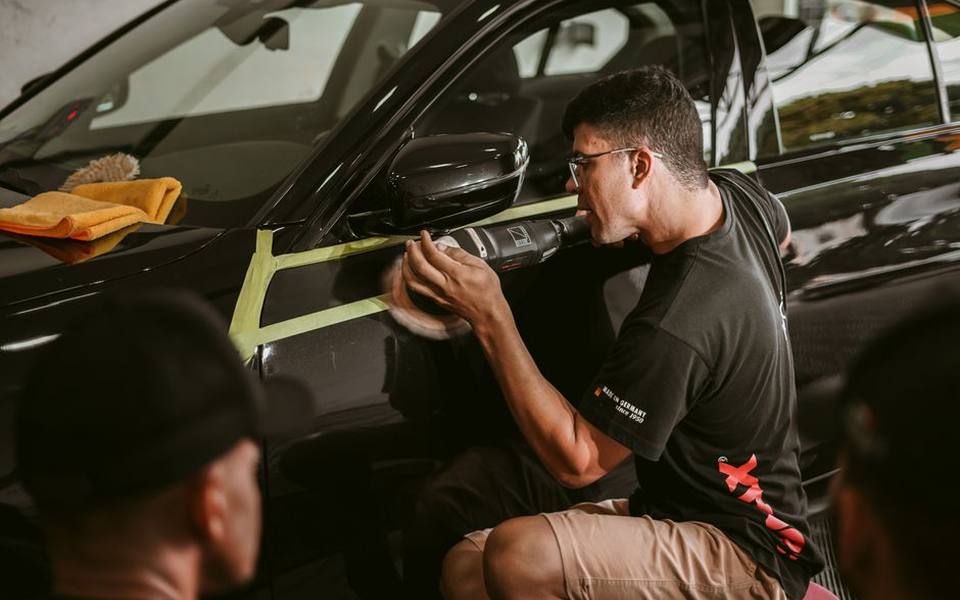
Proper prep work begins with a thorough strip wash to dissolve existing waxes, followed by chemical decontamination sprays that dissolve embedded industrial fallout and brake dust. After rinsing, running a synthetic detailing clay bar over wet panels pulls out remaining grit that feels rough to the touch. This meticulous sequence leaves the clear coat feeling completely smooth, like clean window glass, creating the ideal foundation for chemical bonding.
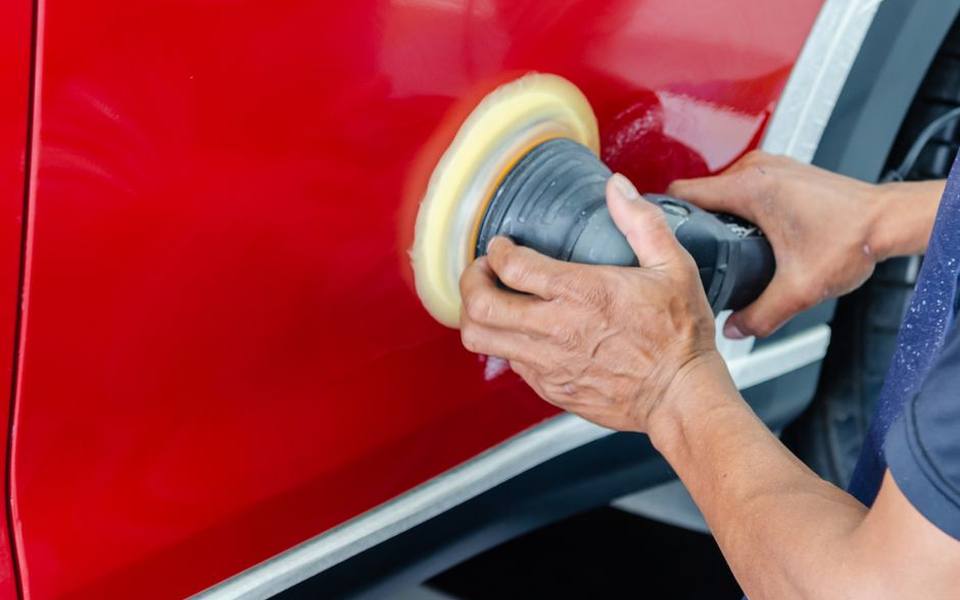
Once decontaminated, machine polishing removes swirl marks, wash hazing, and light oxidation that would otherwise be locked permanently under the cured coating. Before applying your product, wiping panels down with a panel prep solvent removes residual polishing oils. Drivers often utilize local self-serve wash bays for initial high-pressure rinses and heavy wheel cleaning before bringing the vehicle into a sheltered workspace for the polishing stages.
Realistic Cost Breakdown Between DIY and Shop Work
Evaluating the financial side of vehicle protection reveals a dramatic contrast between doing the work yourself and hiring a professional studio. A consumer bottle of spray sealant or ceramic liquid kit typically costs between $30 and $120. However, a proper DIY installation also requires microfiber towels, clay bars, polishing pads, compound liquids, and possibly a dual-action polisher, bringing total home tool investment closer to $200 or $350 for first-timers.
Professional shop installations typically range from $800 to $2,500 depending on the vehicle size, paint condition, and chosen longevity package. The vast majority of this invoice covers labor rather than the physical bottle of coating. Preparing paintwork requires anywhere from eight to twenty hours of intensive washing, measuring, compounding, and multi-stage machine correction to eliminate imperfections before the final coating application even begins.
Choosing which path to take depends on how you value your personal time and mechanical comfort. Enthusiasts who enjoy detailing find DIY application satisfying and cost-effective over years of ownership. Conversely, owners who lack indoor garage space, specialized tools, or the physical patience required for multi-stage machine polishing generally find professional shop rates justified by the flawless finish and verified warranty protection provided.
How Long These Layers Actually Last in the Real World
Marketing claims on coating bottles often advertise five-year or lifetime durability, but real-world longevity depends heavily on environmental exposure and wash habits. A vehicle parked outdoors underneath sap-producing trees, baking in southwest heat, or driving through northern road salt degrades protective barriers much faster than a garaged weekend car. Realistic expectations for consumer DIY liquids hover around one to three years, while polymer sealers provide four to six months.
Even high-end professional coatings suffer performance drops when road film and microscopic soot accumulate across the surface. When a coated vehicle stops beading water, it rarely means the ceramic layer has disappeared; in most cases, the hydrophobic microscopic ridges are simply clogged by traffic film and mineral deposits. A specialized wash with mineral-dissolving shampoos usually revives the original water-sheeting characteristics without needing a complete reapplication.
To extend the life of any coating, avoiding friction-based automated washes with harsh spinning brushes is essential. Abrasive brushes introduce micro-scratches that slowly abrade the sacrificial coating layer over time. Selecting a reliable touchless wash facility prevents mechanical paint abrasion while blasting away corrosive winter road salts between your deeper seasonal maintenance routines.
Washing and Maintaining a Coated Vehicle
Maintaining your newly protected car requires a gentle, deliberate cleaning routine. The core advantage of ceramic technology is its slick self-cleaning effect, meaning everyday mud, dust, and pollen rinse off far easier than they do from untreated paint. Utilizing a dedicated two-bucket hand wash method with grit guards ensures trapped dirt stays at the bottom of your wash bucket rather than swirling across panels.
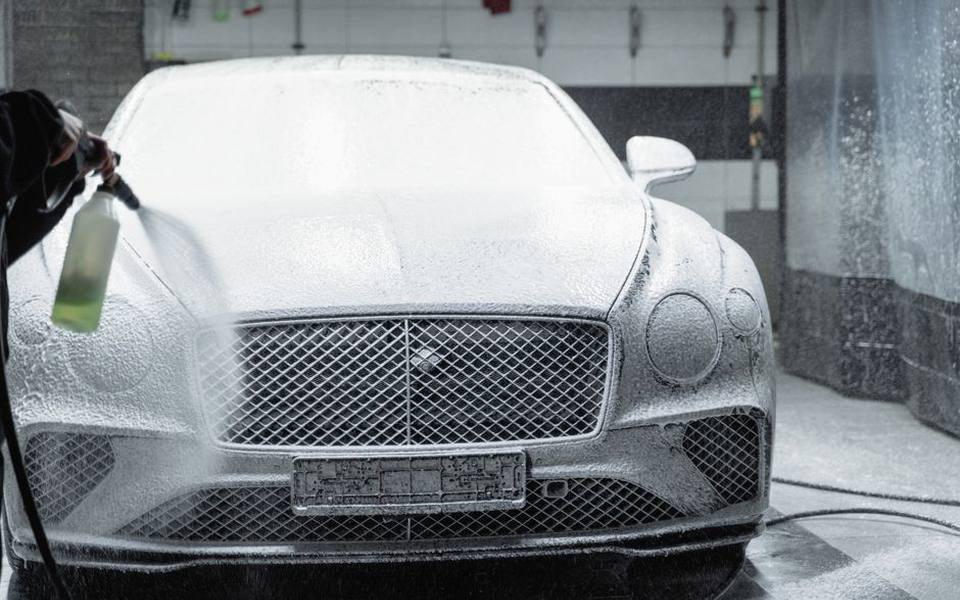
Choosing the right cleaning chemicals is equally vital for preserving your finish. Always use pH-neutral car shampoos free from added gloss enhancers, silicones, or heavy carnauba waxes that can mask the coating's natural hydrophobic behavior. If you prefer professional hands to wash your car safely without garage equipment, scheduling regular visits with trusted hand car wash services keeps your paintwork pristine without risking automated swirl marks.
Every three to six months, applying a diluted silica booster spray during your drying step revitalizes slickness and reinforces sacrificial protection. These maintenance toppers take the brunt of environmental fallout, allowing the base ceramic coat to remain intact beneath. With consistent, low-abrasion washing and periodic booster applications, your vehicle maintains a deep showroom gloss while repelling stains throughout years of daily driving.
Choosing the Right Protection Level for Your Routine
Finding the best ceramic coating for cars in your driveway ultimately depends on lifestyle, vehicle use, and storage conditions. If you drive a leased commuter vehicle that sits outdoors and you prefer spending minimal time washing it, standard polymer sealants or quick hybrid spray waxes provide adequate defense against oxidation without demanding hours of prep work or heavy financial commitments.
For owners who have purchased a vehicle to keep for five to ten years, dedicating the effort to install a true liquid ceramic kit or hiring a certified shop represents a wise long-term investment. The durable glass shield protects clear coat integrity, resists environmental staining, and maintains higher resale value by keeping factory paint looking fresh under bright sunlight.
Consider your workspace before buying any bottle. Applying durable liquid coatings requires a shaded, well-ventilated, dust-free garage where the vehicle can remain completely dry for at least twenty-four hours while curing. If you must work outside on a driveway exposed to wind and changing sun, relying on fast-acting hybrid sprays or user-friendly polymer paint sealants prevents curing errors while providing dependable exterior protection.
Published 2026-09-24 · reviewed with each rebuild, last October 2026.
Find car washes near you
The directory lists 29,234 car washes by state and city — pick your state or use the “Near me” button in the header.
More guides
-
 Money
MoneyCar Detailing Cost Guide: Average Prices and Packages
-
 Service
How to Remove Window Tint and Car Wraps: DIY Methods and Costs
-
 Service
Headlight Restoration Guide: Cleaning Methods and Repair Costs
-
 Buying
Choosing the Best Detailing Vacuums, Steamers, and Washers
-
 Service
How to Buff and Polish Car Paint: DIY Exterior Detailing Guide
-
 Owning
Best Car Detailing Products: Waxes, Sealants, and Clay Bars
-
 Service
Interior Car Detailing: How to Clean Seats, Carpets, and Remove Odors
-
 Service
Car Scratch Removal Guide: DIY Fixes versus Body Shop Costs
-
 Service
Complete Guide to Self-Serve and Automatic Drive-Thru Car Wash Services
-
 Service
Professional Auto Detailing: Interior Deep Cleaning and Mobile Wash Guide
-
 Service
Vehicle Air Filter Replacement: Cabin vs Engine Air Filters
-
 Service
Car Scratch Repair, Paint Correction, and Buffing Techniques
-
 Owning
Complete Car Interior Detailing Guide: Carpet, Leather, and Dashboard Cleaning
-
 Service
Automotive Glass Cleaning, Water Spot Removal, and Windshield Repair
-
 Service
Headlight Restoration and Cleaning: Toothpaste Hacks, Polish, and UV Sealants