The Foundation of a Thorough Interior Detail
A proper vehicle interior detail starts with clear order and preparation rather than jumping straight to scrubbing. The basic principle is always working from top to bottom and dry before wet. Gravity pulls dust, bread crumbs, and dried mud down onto the floor, so cleaning the roof area and dashboard before vacuuming prevents you from doing double work. Removing child car seats, floor mats, and loose trunk items gives you full access to hidden corners where debris gathers over months of driving.
Taking time to inspect cabin surfaces under direct sunlight or with an inspection light helps you choose the right approach. Different areas require entirely different chemical strengths and tools. Modern vehicles feature a combination of coated synthetic leather, delicate infotainment touchscreens, porous carpet fibers, and fragile headliner glues. Treating every component with the same aggressive spray cleaner is a common mistake that can permanently discolor plastics or break down adhesive backings.
Before applying any liquid cleaner, a thorough dry extraction removes loose grit that would otherwise turn into abrasive mud when wet. Spending twenty minutes brushing out seams, blowing out tight crevices with compressed air or a detailing brush, and clearing loose dirt makes every subsequent step faster and significantly more effective. Setting aside enough time to let fabrics dry thoroughly ensures a clean cabin without trapped moisture.
Selecting the Right Cleaners for Cabin Surfaces
Walking into an auto parts store can be overwhelming with dozens of bottles claiming universal cleaning power. A dedicated interior detailer with a neutral pH is generally the safest choice for routine light dusting and light smudge removal across plastics and vinyl. Multi-surface formulas like Chemical Guys interior cleaning sprays or similar balanced detailers lift dust while leaving a non-greasy, factory-matte appearance without degrading the UV inhibitors built into modern dashboard materials.
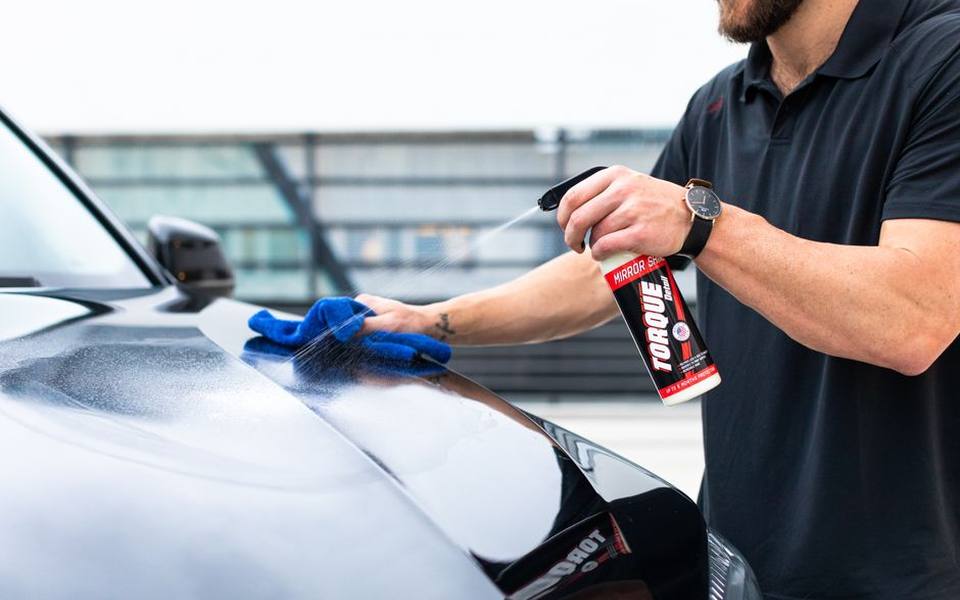
For heavier stains on fabric or floor wells, an automotive-specific all-purpose cleaner diluted to a gentle ratio is far more effective. Household dish soaps, laundry detergents, and bleach-based formulas should never be used on automotive interiors. Household soaps contain heavy degreasers and foaming agents that are nearly impossible to rinse out of automotive carpets without professional extraction equipment, leaving behind soapy residues that attract dirt twice as fast.
Always keep separate microfiber towels dedicated to specific tasks. Towels used for greasy door jambs or pedals should never touch the instrument cluster or leather seat faces, as trapped sand grains can severely scratch delicate clear plastics. Using color-coded towels for glass, leather, carpet, and general plastics prevents cross-contamination and guarantees that chemical residues end up only where they belong.
Dry Extraction and Initial Vacuuming Strategies
Dry extraction is the most critical stage of carpet and fabric care. A standard home vacuum often lacks the narrow attachments and static suction needed to pull pet hair and ground-in sand out of dense automotive weave. Taking your vehicle to local car washes with free vacuums provides high-powered industrial suction and specialized crevice tools that reach deep under seat tracks where loose coins and gravel settle.
To get stubborn sand out of carpet fibers, mechanical agitation is necessary before vacuuming. Striking the carpet lightly with your palm or running a stiff-bristled nylon brush across the floor pulls buried dirt up to the carpet pile surface. Pet hair removal stones, rubber squeegees, or specialized rubber-bladed brushes help scrape embedded animal fur into neat piles that a vacuum nozzle can easily inhale without clogging.
Do not overlook the tight crevices between seat cushions and the center console. Slide both front seats completely forward to clean the rear footwells, then slide them all the way back to access the front floorboards. Running a crevice tool along the seat seams pulls out crumbs that cause unpleasant odors over time. Once the cabin floor is completely dry-vacuumed, wet cleaning becomes far more manageable.
Deep Cleaning Automotive Carpets and Floor Mats
Floor mats bear the brunt of everyday wear and tear and require aggressive, dedicated washing. If you have heavy-duty rubber or all-weather mats, remove them from the vehicle and scrub them outdoors with a diluted degreaser and a medium brush. Rinsing them thoroughly and letting them dry in the shade prevents sun-fading. If you prefer to wash them away from home, visiting nearby self-service wash bays lets you use high-pressure sprayers to blast trapped mud out of deep rubber channels.
Fabric carpets demand a more measured approach to avoid soaking the underlying foam padding. Spray a dedicated fabric cleaner onto the carpet surface rather than saturating the entire floor. Working the cleaner in circular motions with a drill brush or hand brush produces a light lather that suspends dirt. Blotting the area with clean microfiber towels lifts the suspended grime without pushing moisture down toward the vehicle metal floor pan.
For tough stains like spilled coffee, motor oil, or winter road salt, targeted stain removers are helpful. Salt crusts dissolve best with a mild 50/50 mixture of warm water and distilled white vinegar, which breaks down mineral bonds without damaging carpet fibers. Grease spots benefit from an enzymatic cleaner. Always work from the outer edges of a stain inward to prevent the spot from spreading across the fabric.
Washing and Sanitizing Dashboard and Console Plastics
The dashboard and center console collect airborne dust, skin oils, and sun exposure every day. Begin dashboard cleaning with a soft, dry horsehair detailing brush to sweep dust out of air conditioning vents, speaker grilles, and button clusters. Running a vacuum nozzle an inch away from the brush catches airborne particles immediately, preventing them from resettling on your clean seats or freshly vacuumed carpet.
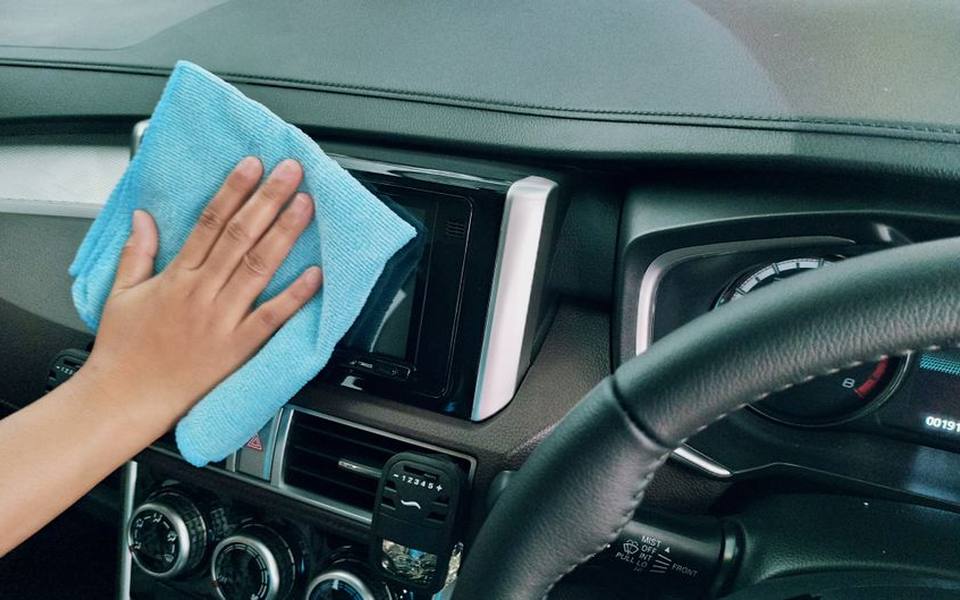
When wiping down plastic surfaces, spray your cleaner directly onto a microfiber towel rather than spraying the dashboard. Spraying liquids directly toward the console can cause mist to seep behind switchgear, climate controls, or navigation screens, potentially damaging electronic circuit boards. A damp microfiber towel easily removes greasy fingerprints from cup holders and armrests without leaving excess moisture behind.
Instrument clusters and touchscreen displays demand extreme care because their clear polycarbonate covers scratch under minimal pressure. Use an ultra-plush, clean microfiber cloth lightly misted with distilled water or an electronics-safe cleaner. Never apply heavy pressure to touchscreens, and steer clear of ammonia-based cleaners, which can strip anti-glare coatings permanently and cause milky discoloration.
Restoring and Maintaining Leather Car Seats
Modern vehicle leather is almost universally clear-coated with a thin polyurethane protective layer, which means you are technically cleaning a durable topcoat rather than raw hide. A dedicated automotive leather cleaner is formulated to remove body oils and dirt without stripping away this protective seal. Avoid home remedies like saddle soap, olive oil, or baby wipes, which have improper pH levels and can break down leather stitching.
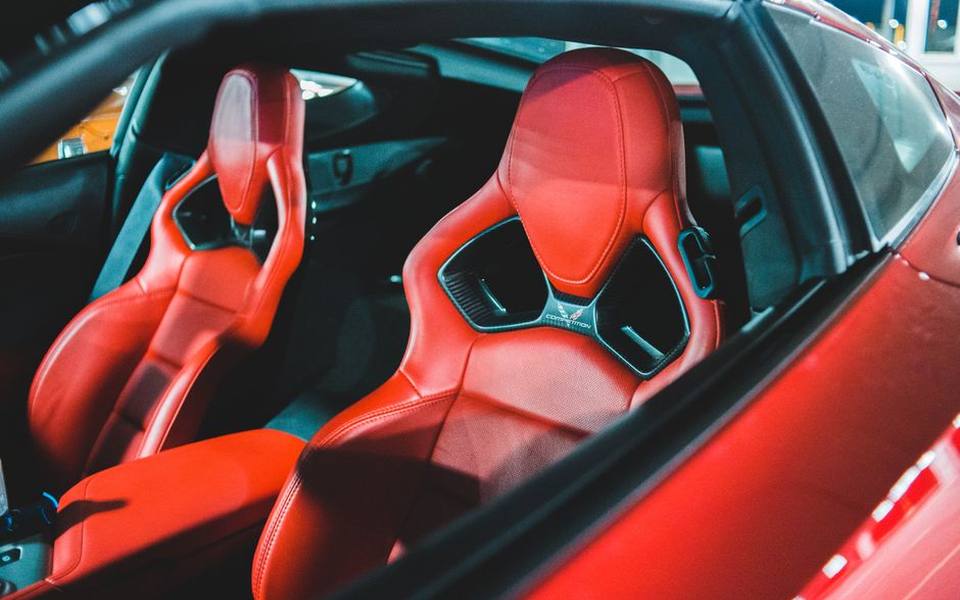
Apply leather cleaner to a soft-bristled interior brush and work it into a gentle lather using light, circular motions. The lather lifts dirt out of the fine grain of the leather without aggressive scrubbing. Immediately wipe away the dirty residue with a dry microfiber cloth before the lather dries back into the pores. If your seats have ventilation perforations, keep liquid application minimal so moisture does not soak the interior heating elements.
Once clean, leather seats should receive a quality water-based leather conditioner or ceramic interior protectant. High-grade conditioners restore flexibility to the topcoat and provide vital UV blockers that prevent drying and premature cracking in hot climates. A proper leather protectant leaves a smooth, dry-to-the-touch matte finish that looks factory original, rather than an unnatural, slick gloss that rubs off on clothing.
Gently Refreshing Fabric Headliners and Sun Visors
The vehicle ceiling upholstery, known as the headliner, is the most delicate fabric surface inside any automobile. The thin cloth is attached to a molded cardboard or fiberglass backing with a fragile layer of foam adhesive. Excess moisture or heat will dissolve or weaken this glue, causing the headliner fabric to detach and sag permanently, which is an expensive problem to repair.
Never use heavy liquid sprays, steam cleaners, or aggressive scrub brushes on a headliner. To address general dust or lingering smoke smell, lightly mist a clean microfiber towel with an interior cleaner and gently wipe the ceiling in straight, overlapping strokes. Keep pressure light and check the towel frequently to ensure you are lifting dirt rather than spreading it across the headliner foam.
For localized stains such as makeup smudges on sun visors or grease fingerprints near roof grab handles, spot cleaning is the safest method. Lightly dab the spot with an upholstery cleaner applied to a clean microfiber cloth, letting the solvent dissolve the mark before gently dabbing it dry. Allowing good ventilation by keeping the vehicle doors open ensures the area dries rapidly without moisture migration.
Eliminating Interior Odors and Window Film
A truly clean interior must smell fresh naturally without heavy perfumes or scented vent clips masking underlying problems. The first line of defense against stubborn cabin odors is replacing the cabin air filter, which typically sits behind the glove compartment. A clogged cabin filter traps mold spores, decaying leaves, and road dirt, blowing foul air across your freshly cleaned upholstery every time the climate system turns on.
For lingering odors caused by milk spills, pets, or tobacco smoke, an enzymatic odor neutralizer is required. Enzyme formulas digest the organic proteins causing the odor rather than merely masking the smell with synthetic fragrance. In severe cases, detailing shops use commercial ozone generators inside closed cabins to neutralize bacteria embedded deep in seat foam, followed by hours of thorough cabin airing.
Finish the detailing project by cleaning the inside glass surfaces, which often develop an oily haze from dashboard plastic off-gassing. Use an automotive-specific, tint-safe glass cleaner without ammonia, paired with a flat-weave microfiber glass towel. Wiping the glass in horizontal strokes on the inside and vertical strokes on the outside helps you instantly spot which side has remaining streaks.
Knowing When to Seek Professional Interior Services
While routine maintenance can easily be managed at home with standard supplies, certain cabin issues warrant professional attention. Heavy flooding from open windows, mold colonization in carpet backing, or deep oil spills require commercial heated extraction machines that reach water temperatures above boiling while pulling extreme vacuum pressure. These tools sanitize deep padding without leaving moisture behind.
When time or equipment is limited, booking full interior car detailing ensures that high-grade steam machines and dry-vapor extractors are utilized on your carpets and seat tracks. Professional detailers know the exact heat limits for modern touchscreen monitors and have specialty leather dyes to touch up faded seat bolsters, restoring the interior to like-new condition.
Periodic comprehensive care from professional full-service auto detailing shops can protect your vehicle resale value significantly over the years. Combining regular bi-weekly self-cleaning sessions with an occasional deep commercial detail keeps leather supple, plastics shielded from UV degradation, and carpets completely free from abrasive grit.
Published 2026-09-24 · reviewed with each rebuild, last October 2026.
Find car washes near you
The directory lists 29,234 car washes by state and city — pick your state or use the “Near me” button in the header.
More guides
-
 Money
MoneyCar Detailing Cost Guide: Average Prices and Packages
-
 Service
How to Remove Window Tint and Car Wraps: DIY Methods and Costs
-
 Service
Headlight Restoration Guide: Cleaning Methods and Repair Costs
-
 Buying
Choosing the Best Detailing Vacuums, Steamers, and Washers
-
 Service
How to Buff and Polish Car Paint: DIY Exterior Detailing Guide
-
 Owning
Best Car Detailing Products: Waxes, Sealants, and Clay Bars
-
 Service
Interior Car Detailing: How to Clean Seats, Carpets, and Remove Odors
-
 Service
Car Scratch Removal Guide: DIY Fixes versus Body Shop Costs
-
 Service
Complete Guide to Self-Serve and Automatic Drive-Thru Car Wash Services
-
 Service
Professional Auto Detailing: Interior Deep Cleaning and Mobile Wash Guide
-
 Service
Vehicle Air Filter Replacement: Cabin vs Engine Air Filters
-
 Service
Car Scratch Repair, Paint Correction, and Buffing Techniques
-
 Service
Automotive Glass Cleaning, Water Spot Removal, and Windshield Repair
-
 Service
Automotive Ceramic Coatings and Paint Sealants: Costs, Products, and Application
-
 Service
Headlight Restoration and Cleaning: Toothpaste Hacks, Polish, and UV Sealants